Best EV Charging Strategy for Taxi Drivers UK (2026)
EV taxi drivers need off-peak home tariffs + strategic rapid top-ups to keep cost-per-mile under 4p. Tariff picks, hub maths, fleet options.
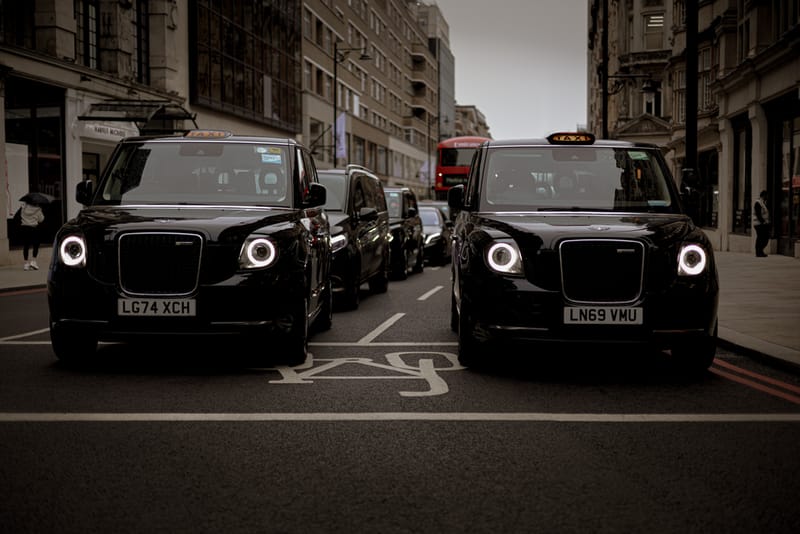
High-mileage taxi and PHV drivers face a different EV-charging cost equation than family-car drivers. Daily mileage is 3-5x higher and a single rapid-charge session can erase a week of off-peak savings if you build your routine around hubs instead of home. This guide covers the realistic tariff + charging-hub combinations that work for UK taxi work.
Why off-peak home charging matters even more for taxis
The cost-per-mile gap between off-peak and rapid is wider than most drivers realise.
A typical taxi-friendly EV (Tesla Model 3 / Y, Kia EV6, Hyundai Ioniq 5, BYD Atto 3) uses around 3.5-4 miles per kWh in mixed urban + motorway work. So 300 miles a day = 75-85 kWh. The cost per kWh you pay determines almost everything:
- Off-peak home at 7.6p/kWh (e.g. Intelligent Octopus Go, October 2026) - 75 kWh = GBP 5.70 = ~1.9p/mile.
- Standard home rate at the 26.32p/kWh price cap (October 2026) - 75 kWh = GBP 19.74 = ~6.6p/mile.
- Public rapid charging at 75-79p/kWh (typical UK 50-150 kW unit, Pod Point / Instavolt) - 75 kWh = GBP 56-59 = ~19p/mile.
- Ultra-rapid charging at 85p/kWh+ (most 150kW+ hub on a single rate) - even worse.
The gap between off-peak home and public rapid is ~10x. For a high-mileage taxi driver, that's the difference between GBP 5 and GBP 50 a day on fuel - or roughly GBP 16,000 a year if you run public-only at scale.
Tariff picks for UK taxi drivers (2026)
The dual-rate options that work with EV-charging schedules.
Three tariffs do most of the work in 2026:
- Intelligent Octopus Go - 6 hours of guaranteed cheap-rate overnight (7.6p/kWh in every region as of October 2026) with Octopus pulling charge dynamically from a wider window if grid carbon is low. Works with most major EVs via API integration. Requires a smart meter and a compatible charger or vehicle (full compatibility list here). The cheap-rate window is wide enough to fully charge a typical taxi battery from empty most nights.
- Octopus Go (classic) - simpler 5-hour off-peak window 00:30-05:30 at 8.21p/kWh (October 2026). Doesn't need vehicle/charger integration. Good fallback if your EV isn't on the Intelligent Go list.
- EDF GoElectric - 7 hours off-peak (11pm-6am) at 6.66p/kWh (October 2026), peak rate slightly more competitive than Octopus's peak. Useful if you do significant household electricity usage during the day at the standard rate.
See our full high-mileage tariff comparison for the side-by-side maths against 100+ kWh/week consumption.
When public rapid charging makes sense (and when it doesn't)
The rule: top-ups good, full sessions bad.
The right way to think about public charging on a taxi shift: it's a top-up to extend range, not a primary fuel source. Three rules:
- 10-20% to 50-60% top-ups are cheap in wall-clock terms (15-20 minutes on a 150kW unit will add ~50 miles), and you only pay rapid prices on a small kWh count. Acceptable as gap-fillers.
- Full 0-100% sessions at rapid hubs are the worst-case economics - 75 kWh at 79p/kWh = GBP 59, and the last 20% (80-100%) is throttled by the BMS so you're sat there 30+ minutes for the slowest charging speed of the session. Never plan around a full rapid session if you can avoid it.
- Hub membership programmes (Instavolt Plus, BP Pulse Subscription, Fastned Gold) can cut rapid pricing by 10-25% with a monthly fee. Worth it only if you genuinely rapid-charge 10+ times a month - run the maths against your actual usage before committing.
Daily routine that minimises cost per mile
What this looks like in practice for a UK taxi driver.
Working pattern for a 250-300 mile day:
- End of shift (10-11pm-ish): Plug in at home. Schedule via app or in-car for the off-peak window (typically 00:30-05:30 or the wider Intelligent Octopus Go window). Wake up to a full battery, ~75 kWh added at 7.6p/kWh = GBP 5.70.
- Mid-shift if needed: Use a rapid hub for a 20-30 minute top-up while you eat lunch or sleep between shifts. Avoid the urge to 'fill up' - 50% to 80% is enough to comfortably finish the day.
- Long airport runs / out-of-area: Plan the rapid stop at the destination end (cheaper hubs typically outside city centres). Use a route planner like ABRP or Zapmap to find the lowest-cost hubs along the way.
- Weekly hub check: Run cost-per-kWh maths across what you've actually paid this week. If hub costs exceeded 30% of the week's energy spend, your off-peak window isn't matching your driving pattern - check if you need to extend the home plug-in window or change tariff.
Choosing the right EV for taxi work
Range, charge speed, and total cost of ownership matter more than badge.
The taxi-friendly EV checklist:
- Real-world range ≥ 220 miles in mixed urban + motorway use. Headline WLTP figures often overstate by 15-25% - check independent test data.
- 10-80% rapid charging time ≤ 30 minutes. 800V architecture vehicles (Kia EV6, Hyundai Ioniq 5, Genesis GV60) excel here. Tesla Model 3/Y rely on the Supercharger network where they get preferential pricing for Tesla owners.
- Total cost of ownership over 4 years. Higher purchase price often pays back via lower fuel cost vs ICE if you're doing 30,000+ miles a year. The PHV / Plug-in Taxi Grant (where still available regionally) can shift the maths further.
- Insurance group + servicing network coverage in your operating area. Some manufacturers (BYD, MG, Polestar) have thinner UK service networks - check before committing.
Fleet vs domestic charging options
If you're running 5+ vehicles, the structure changes.
For taxi firms running multiple vehicles, dedicated depot charging adds two options the single-driver tariffs don't:
- Commercial half-hourly tariffs let you charge across an even wider off-peak window with no consumer-grade rate caps. Worth investigating with a business-energy broker if your depot load justifies it.
- Workplace Charging Scheme grant covers up to 75% of installation costs for fleet chargers at depot premises - see our WCS guide for current eligibility.
For single-driver owner-operators, the home tariff + occasional rapid hub combination above is almost always cheaper than any fleet-style arrangement.