Smart Meter Upgrade for EV Tariffs UK (2026)
EV tariffs need a SMETS2 smart meter to bill the off-peak rate. Install timeline, free vs paid options, and the most common failure modes.
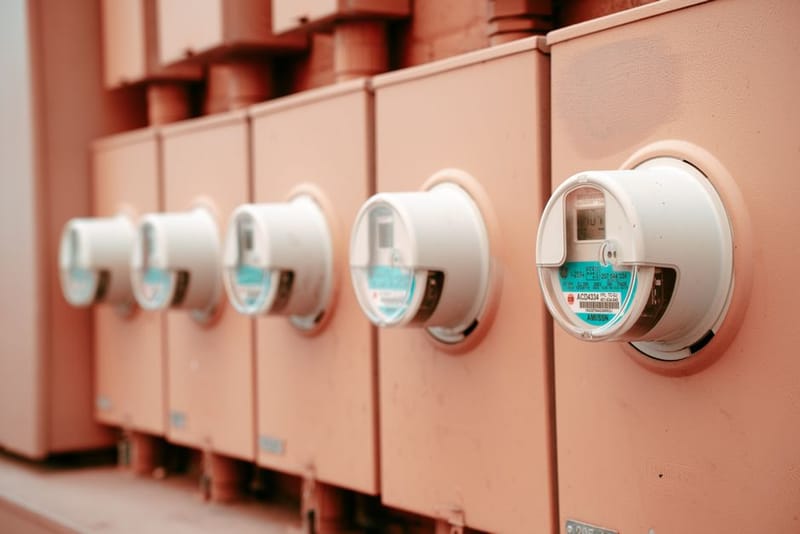
If you're shopping for an EV tariff like Intelligent Octopus Go or E.ON Next Drive Smart, the smart meter is the first hurdle. This guide covers what you actually need, who installs it for free, the typical install timeline, and how to avoid the most common gotchas.
What kind of smart meter you need
SMETS2 in HHS mode - everything else is a delay.
Two distinct things matter:
- The meter generation. SMETS2 (Smart Metering Equipment Technical Specifications, version 2) is the current standard - installed in UK homes from 2018 onwards. Older SMETS1 meters can sometimes be migrated to the centralised DCC network but the success rate is patchy. If your meter is SMETS1, ask your supplier to confirm it's been DCC-enrolled before signing up to an EV tariff.
- The settlement mode. EV tariffs need Half-Hourly Settlement (HHS) - the meter reports your consumption to your supplier every 30 minutes so they can apply the correct rate. Without HHS, the supplier just sees a single daily total and can't bill the off-peak window. Most SMETS2 meters support HHS but it must be enabled at the supplier end (and your meter must be on the right firmware).
The combination you want is SMETS2 + HHS + 'smart' (not 'dumb') mode. Without all three, no EV tariff will work.
Who installs them for free
Most major UK suppliers cover the install when you sign up to an EV tariff.
As of 2026, the standard pattern for UK EV-tariff sign-ups is:
- Octopus Energy - free SMETS2 install for any new or existing customer. Sign up to Intelligent Octopus Go and they'll book the install as part of onboarding. Typical wait: 4-8 weeks.
- E.ON Next - free for EV-tariff sign-ups. Wait time similar to Octopus.
- OVO Energy - free for OVO Drive Anytime / Charge Anytime customers, but you must be an OVO customer first (joint switch happens during the same flow).
- EDF Energy - free for GoElectric tariff sign-ups, slightly longer wait times (6-10 weeks reported).
- Other suppliers - most major UK energy companies offer free smart meter installs even without an EV tariff sign-up. If yours doesn't, switch to one that does before bothering with the install fee.
You should never pay for a smart meter install in the UK in 2026. If a supplier quotes you a fee, that's a red flag - switch.
The typical install timeline
From sign-up to first off-peak bill: 6-12 weeks realistic.
Realistic timeline for a UK householder going from 'I want an EV tariff' to 'I'm billed at off-peak rates':
- Day 0: Sign up to the EV tariff (or join the supplier first if you're switching). The supplier flags your account as 'awaiting smart meter install'.
- Day 1-7: Supplier confirms install booking is in the engineer's diary. You get an appointment window 4-8 weeks ahead.
- Day 30-60: Engineer attends, swaps the meter (~1-2 hour visit, no warning about needing to fit any extra hardware - just the meter swap and a brief commissioning step). Power is off for ~15-30 minutes during the swap.
- Day 30-60 + 24 hours: New meter starts reporting to the DCC network. Supplier app starts showing readings.
- Day 30-60 + 1-7 days: Supplier enables HHS billing on your account. From this point, your off-peak consumption starts billing at the off-peak rate.
- Day 60-90: First bill at the new rate arrives. Verify it's billing correctly - compare overnight kWh to your EV's reported consumption.
Allow 6-12 weeks end-to-end. The biggest variable is the engineer-availability backlog, which spikes around peak EV-tariff sign-up season (autumn, when energy bills rise).
Common failure modes
What goes wrong - and how to fix it.
1. Smart meter installed but stuck in 'dumb' mode. By far the most common issue. The engineer installs the SMETS2 meter, leaves, and the meter then fails to connect to the DCC's WAN (wide-area network, currently a mix of cellular and long-range radio). This affects ~10-15% of UK properties, concentrated in rural areas, Victorian terraces with thick walls, and basement-meter installations. Fix: call your supplier; they can dispatch an engineer to install an external WAN aerial (free) or escalate to DCC for a network upgrade. Adds 6-12 weeks.
2. SMETS2 installed but supplier hasn't enabled HHS. Less common but harder to diagnose. Symptoms: smart meter readings show up in the app daily but not half-hourly; EV tariff is signed but off-peak billing isn't activating. Fix: phone the supplier and explicitly ask 'Please enable Half-Hourly Settlement on my account'. Usually a 5-minute back-end change once you ask, but suppliers don't proactively do this.
3. SMETS1 stuck on the old comms hub. If your meter pre-dates 2019 and your supplier hasn't migrated it to the DCC network, no EV tariff will work even though you 'have a smart meter'. Most suppliers are gradually migrating SMETS1 estates but the timeline is slow. Fix: ask for an outright SMETS2 swap (some suppliers will, some won't; switching supplier sometimes triggers a free swap).
4. Engineer can't access the meter cupboard. If your meter is in a stair cupboard with your boiler, washing machine and Christmas decorations stacked in front of it, the engineer can't safely work. Clear ~1 metre of access space the day before.
Renting? It's still your call (mostly)
Tenants have a right to a smart meter under the Energy Act 2008.
If you rent, you (as the bill-payer) have the legal right to request a smart meter install under the Energy Act 2008 + subsequent Ofgem guidance. You don't need landlord permission for the install itself, but:
- You should notify your landlord in writing before the install. Most accept; ones that don't typically have a contractual reason worth understanding.
- If your tenancy ends within 12-18 months of install, you'll lose the benefit when you move (the next tenant or owner takes over the meter).
- Some tenancy agreements have clauses about altering utility infrastructure - check yours. These clauses are usually unenforceable for smart meter swaps but can complicate things.
For most renters in long-term tenancies (12+ months remaining), the maths still works - 6-12 months of off-peak EV charging covers the time investment.