Run Your Whole House on Your EV Tariff (2026)
Your EV tariff's 7-8p off-peak window is worth far more than the car. The load-shifting hierarchy - appliances, hot water, battery - and what each saves.
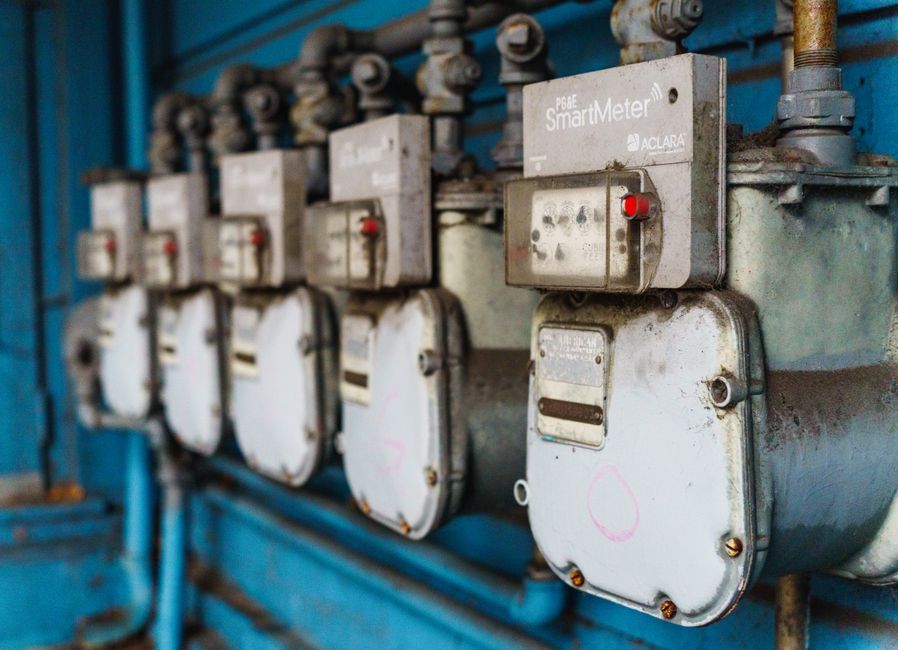
Signing up for an EV tariff to charge the car cheaply and then ignoring the rest of the house leaves most of the saving on the table. Once you can buy electricity at 7-8p per kWh overnight instead of the roughly 26p standard rate, every kilowatt-hour you can move into that window is worth the same 19p or so, whether it charges the car, runs the dishwasher, or heats a tank of hot water. This guide shows how to run your whole house on your EV tariff’s off-peak window - which loads to shift first, and what each one is realistically worth per year.
What is an off-peak window actually worth beyond the car?
The maths behind whole-house load-shifting is simple. Intelligent Octopus Go (Octopus Energy’s market-leading single-EV tariff, a fixed six-hour off-peak window) charges 7.6p per kWh overnight as of October 2026, and rivals like EDF GoElectric go lower still at 6.66p. Against the Ofgem price cap standard unit rate of 26.32p per kWh, that is a saving of about 19p on every kilowatt-hour you can move into the window. (The Ofgem energy price cap sets the reference rate a typical home pays; your exact standard rate varies by region and payment method.)
Load-shifting means running a discretionary load - one whose timing you control - during the cheap window instead of at the standard rate. The car is the obvious one, but a household’s appliances, hot water and any storage are all discretionary if you set them up to be. The question is not whether shifting saves money - at 19p a unit it always does - but which loads are worth the effort, and in what order. That order is the load-shifting hierarchy.
One nuance is worth flagging up front. Many EV tariffs buy that cheap window with a slightly higher day rate or standing charge than a plain flat tariff, so the tariff only pays off once you are moving a decent chunk of use into the window. Shift the car alone and the day-rate premium eats into the gain; shift the whole house and the premium becomes a rounding error against £500-plus of saving. That is the core argument for treating your EV tariff as a household tariff, not a car tariff.
The load-shifting hierarchy: where to start
Work down this hierarchy from cheapest-to-implement to most capital-intensive. Each step assumes the one above it is already done, because there is no point buying a battery to store cheap electricity while your dishwasher still runs at the day rate.
Wet appliances on timers
Free. Set the dishwasher, washing machine and dryer to finish inside the window.
Electric hot water
Cheap. Put an immersion or cylinder on a timer - the biggest lever in an all-electric home.
Home battery
Capital. Store the cheap window and run the house from it through the daytime peak.
Paid export and V2G
Situational. Sell surplus into high-price periods once the earlier steps are done.
How much can each step save? The £/year table
The figures below use the October 2026 assumptions above (7.6p off-peak, 26.32p standard, so about 19p saved per shifted unit) and typical UK household consumption. Treat them as illustrative for a mid-sized home - your own numbers depend on how much you use and how much you can genuinely move into the window.
| Where the cheap window goes | Rough kWh shifted / year | Saving / year (~19p per kWh) | Cost to set up | Who it applies to |
|---|---|---|---|---|
| Wet appliances on delay timers | ~600 kWh | ~£100 | £0 (built-in timers) | Every household |
| Electric hot water (immersion / cylinder timer) | ~2,500 kWh | ~£300-£450 | £0-£150 | Homes that heat water with electricity |
| Home battery (5 kWh usable, one cycle a day) | ~1,600 kWh | ~£300 | £3,500-£6,000 | Anyone who installs storage |
| Paid export / V2G at peak windows | Varies | ~£50-£150 | Tariff + hardware | Solar or V2G owners |
A typical gas-hot-water home with nothing but appliance timers is looking at around £100 a year. A fully electric home that also runs its hot water and a battery off the window can clear £600-£800 - on top of whatever the car already saves. The gap between those two numbers is the prize this guide is about.
A worked example: a three-bed all-electric home
Take a three-bed home with two people, an electric car, an electric hot-water cylinder and a 5 kWh battery - a common all-electric setup. Their shiftable load beyond the car breaks down roughly like this: 600 kWh of wet-appliance use, 2,500 kWh of hot-water reheat, and 1,600 kWh cycled through the battery. That is around 4,700 kWh a year moved from 26.32p to 7.6p.
At about 19p saved per unit, that is about £880 a year in shifted household load - separate from the roughly £1,000 the car itself saves versus petrol. Strip out the hot water (a gas-combi home) and the same house still saves around £400 from appliances and the battery. Strip out the battery too and you are back to the free-tier £100 from timers alone. The point is not the exact figure - yours will differ - but the shape: the more of the house you electrify and schedule, the steeper the return on the same 7.6p window.
1. Wet appliances: the free win
Your dishwasher, washing machine and tumble dryer almost certainly already have a delay-start timer. Setting them to finish inside the off-peak window costs nothing and is the first thing to do. A dishwasher cycle is roughly 1-1.4 kWh, a washing-machine cycle around 0.7 kWh, and a condenser tumble dryer 2-2.5 kWh, so a household running these a few times a week shifts around 600 kWh a year - about £100 saved for the price of pressing a button differently.
The one thing to watch is stacking. On Intelligent Octopus Go the window is six hours, and if you set the car, the dishwasher and the dryer to all start at once you can trip the incomer or simply run out of window. Stagger them: car first on its own schedule, appliances layered around it. Our guide to the Intelligent Octopus Go six-hour charge cap explains how the fixed window behaves.
2. Hot water: the biggest lever in an all-electric home
If you heat water with an immersion heater or an electric cylinder, hot water is the single biggest lever in the house - bigger than the appliances and, for many homes, bigger than the car. A cylinder reheats using 2,000-3,000 kWh a year, and moving that onto a timer that only runs during the off-peak window saves £300-£450 a year at current rates. A basic immersion timer costs under £20; a smart cylinder controller with a boost function is more but pays for itself in a season.
The catch is that this only applies to homes with electric hot water. Most UK homes still heat water with a gas combi boiler, which draws no electricity worth shifting. (If your heating and hot water are electric via a heat pump, the numbers are different again and worth a dedicated look - see HeatPumpHQ for that side of the house.) Check what actually heats your water before budgeting for this saving.
3. Home battery: buying more of the cheap window
Once the free wins are done, a home battery lets you buy more of the cheap window than your live loads can absorb. You charge the battery to full during the off-peak hours at 7.6p, then run the house from it through the expensive daytime and evening peak. A 5 kWh usable battery cycled once a day displaces around 1,600 kWh of daytime consumption a year, worth roughly £300 after round-trip losses; a 10 kWh unit can save closer to £550 if your household actually uses that much during peak hours.
Batteries are the point in the hierarchy where capital cost enters. At £3,500-£6,000 installed, a storage-only battery pays back over roughly eight to twelve years on tariff arbitrage alone, so the case is strongest when it is paired with solar or a vehicle that can feed the house. Our solar PV and EV charging maths and vehicle-to-home (V2H) explainer cover the two routes to bigger storage without a standalone battery bill.
4. Export and V2G: getting paid for the window
The final tier flips the model: instead of only buying cheap, you get paid for the window. With solar and a battery you can export surplus at a paid export rate, and time that export into high-price periods - Octopus Flux, for example, pays a premium export rate at the evening peak while importing cheaply overnight. Vehicle-to-grid (V2G, where the car’s battery discharges back to the grid) takes this further, turning a parked EV into a paid grid asset.
Export is the smallest and most situational lever - for most solar homes it adds £50-£150 a year on top of self-consumption, though V2G owners on the right tariff can do considerably better. It only makes sense once the earlier steps are in place and you have surplus to sell. Our V2G guide and solar plus EV guide go deeper on getting paid for the window.
How do you automate the window?
You can run all of this by hand - set timers each evening - but it gets tedious, and forgotten timers are lost savings. Three levels of automation make it stick. The simplest is built-in delay-start on appliances plus a mechanical or plug-in timer for the immersion heater, set once to the window and left alone. The middle tier is smart plugs and a smart immersion controller you schedule from an app, so a change to your tariff window is a two-minute edit rather than a rewiring job.
The top tier is tariff-aware automation. Intelligent Octopus Go already schedules the car around the grid for you; battery and hot-water controllers from the major inverter brands can follow a half-hourly price signal and charge or reheat only when the rate is cheapest. That matters most on the agile, price-following tariffs where the cheapest half-hours move around, but even on a fixed six-hour window it removes the risk of a schedule drifting out of sync after a tariff change. Start manual, automate the loads you run most, and leave the rest on timers.
What do you need to make it work?
Three things have to be in place before any of this works. First, a working smart meter - the off-peak window is billed on half-hourly readings, so a meter that reports every half hour is non-negotiable. See our smart meter upgrade guide if yours is not smart yet. Second, an actual EV tariff with a cheap window; our best EV tariffs guide ranks eight of them from 6.66p, and the off-peak window strategies guide covers which suits your pattern. Third, controllable loads: appliance timers, an immersion timer or smart plug, and ideally a bit of automation so you are not setting timers by hand every night.
None of these is expensive, and the smart meter and tariff are things an EV owner needs anyway. The whole house layer is mostly a matter of using kit you already own more deliberately. For a sense of the baseline the car alone delivers, our cost to charge an EV at home guide has the per-mile maths.
Where do households leave money on the table?
The commonest mistake is treating the EV tariff as a car-only tariff. Households sign up, schedule the car, and never move a single appliance - capturing perhaps a third of the available saving. The second is stacking every load into the same start minute and tripping the supply or overshooting the window. The third is buying a battery before doing the free steps, which inflates the payback because the cheap wins that should come first are still running at the day rate.
A subtler one is ignoring the standing charge and unit-rate trade-off. Some EV tariffs carry a higher day rate or standing charge in exchange for the cheap window, so a home that can only shift the car may pay more overall than it saves. The more of the house you move into the window, the more decisively the tariff wins - which is exactly why the whole-house view matters.
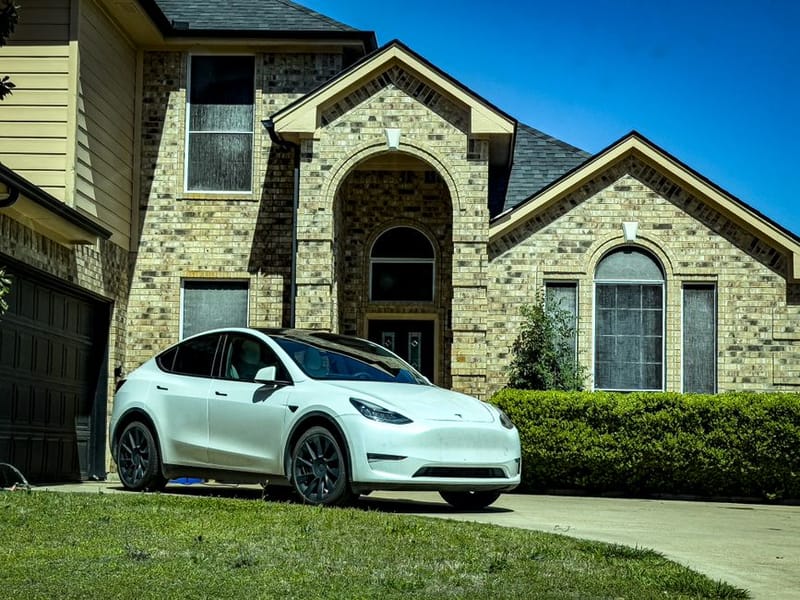
Best EV Tariffs UK 2026
EV Off-Peak Charging Window Strategies

Solar PV + EV Charging Maths
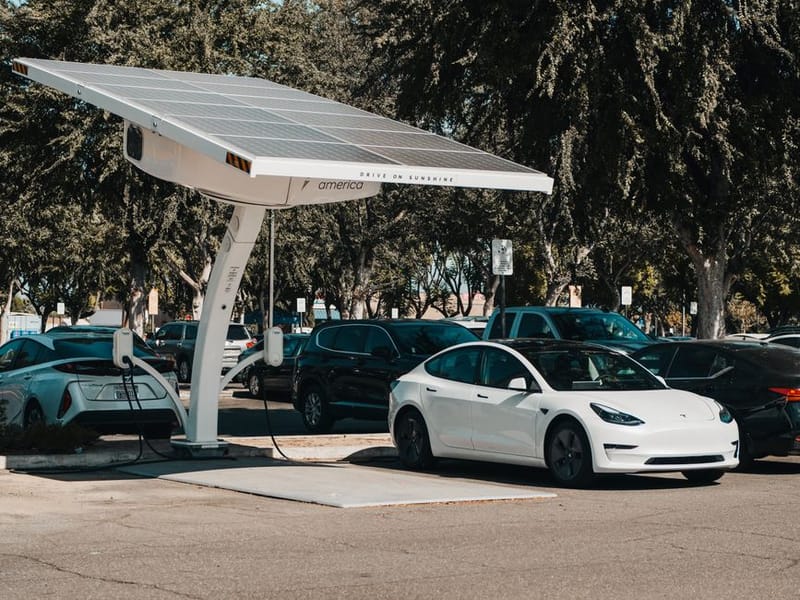
V2H (Vehicle-to-Home) Explained
Frequently asked questions
Can I really run my whole house on my EV tariff?
How much can I save by shifting the whole house, not just the car?
Do I need a home battery to benefit?
What if my hot water is gas rather than electric?
Won't running everything at once overload the supply?
Pick the right EV tariff first
The whole-house saving only works on a tariff with a genuinely cheap window. Compare the best UK EV tariffs for 2026.