BYD Atto 3 vs Tesla Model Y Home Charging UK 2026
BYD Atto 3 vs Tesla Model Y UK home charging 2026: same Type 2 port, same 7 kW ceiling, different tariff strategy. Which is cheaper to run overnight?
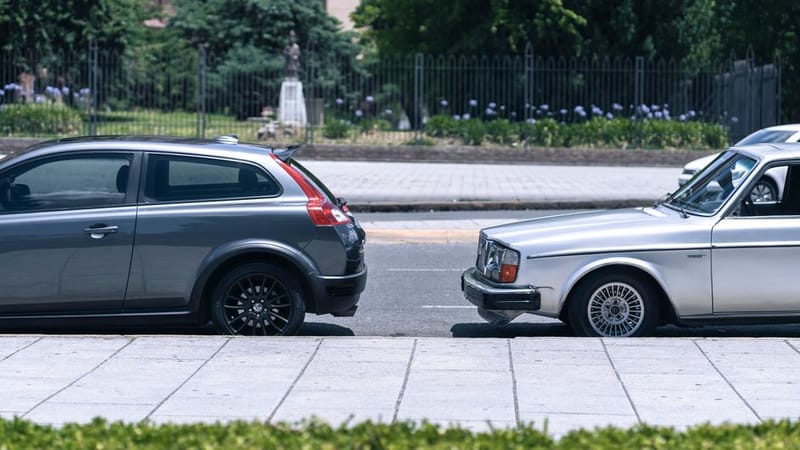
Do the BYD Atto 3 and Tesla Model Y use the same home charger?
Yes - and that is the most useful thing to know if you are choosing between the two cars, or already own one and are considering the other. Both the BYD Atto 3 and the Tesla Model Y use the Type 2 AC connector (also called Mennekes) for home charging in the UK and Europe. Tesla switched to the Type 2 standard on European-spec cars back in 2019, and BYD (a Chinese automaker that is now one of the largest EV manufacturers globally) has always shipped UK cars with Type 2.
The practical implication: every 7 kW UK home charge point sold in 2026 plugs into either car. The Octopus Intelligent Go tariff works with both. The best UK home chargers all support both. The decision tree below is therefore less about hardware compatibility and more about which combination unlocks the cheapest cost per mile.
What charging speeds do each car support at home?
This is where the spec sheet matters and where the marketing copy can mislead. Both cars carry on-board AC chargers rated up to 11 kW - but 11 kW requires a three-phase electricity supply, which is rare in UK domestic settings. On a standard UK single-phase domestic supply, both cars max out at 7 kW (technically 7.4 kW) at the home charger.
What that means in practice:
- BYD Atto 3 (Extended Range, 60 kWh usable battery): Around 8 to 9 hours from empty to full at 7 kW. The 6-hour Intelligent Octopus Go cheap window will give you roughly 42 kWh of charge - enough to add about 130 miles of real-world range in one overnight session.
- Tesla Model Y (Long Range RWD, 75 kWh usable): Around 10 to 11 hours from empty to full at 7 kW. The same 6-hour cheap window will add roughly 42 kWh, or about 150 miles of real-world range (Tesla efficiency is marginally better at motorway speeds).
Neither car will reliably charge from 0 to 100% in one overnight off-peak window. You do not need it to - most UK EV drivers do 20 to 60 miles a day and top up little-and-often rather than running the battery flat between charges.
Which tariff strategy is cheaper?
Tariff cost is identical at the meter - both cars draw electricity at the same off-peak rate. What differs is how easily each car schedules charging to land in that off-peak window.
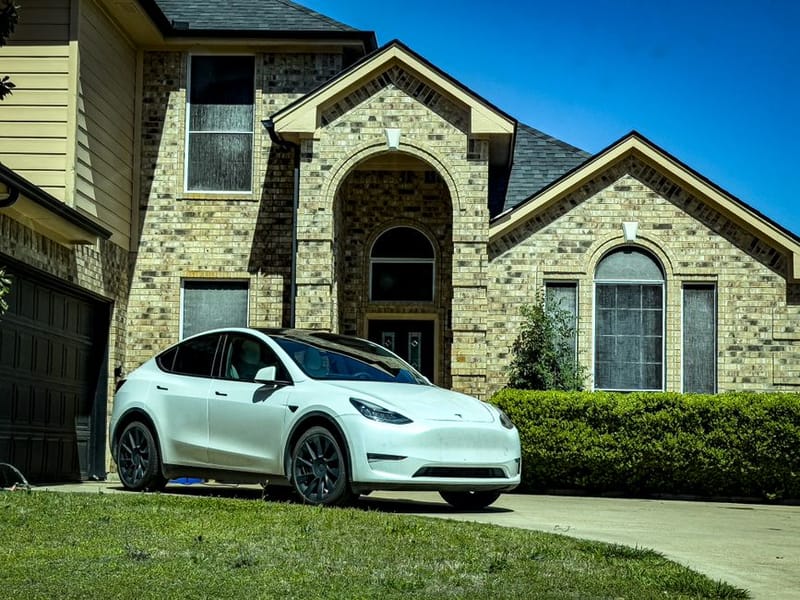
Tesla Model Y with Intelligent Octopus Go: Octopus connects directly to your Tesla account via API and tells the car when to charge based on its smart-scheduling algorithm. No special charge point required - a basic untethered home charger (or even a 3-pin granny cable) is enough, because the scheduling logic lives in the car and Octopus's cloud. You target a state-of-charge in the Tesla app, Octopus times the charging session, and the car charges during the cheap window without you doing anything.
BYD Atto 3 with Intelligent Octopus Go: BYD has no equivalent direct-to-car integration. To use Intelligent Octopus Go on an Atto 3 you need a smart charge point that handles the scheduling on the charger side. The Ohme ePod is the de-facto standard pick - it talks to Octopus and decides when to start/stop the charge based on the price signal. The Easee One is the other widely-recommended option.
The net cost is the same. Both cars charge at 7.6p/kWh during the 6-hour overnight window (October 2026 pricing) - about £3.19 for a typical 42 kWh overnight session. The Atto 3 just needs you to spend an extra £200-£300 on a smart charge point if you don't have one already; the Tesla can use a cheaper basic charge point because the scheduling lives elsewhere.
How do annual home charging costs compare?
Annual home charging cost for a typical UK private driver doing 8,000 miles a year (the AA's reported UK average):
- BYD Atto 3: ~3.5 miles/kWh real-world efficiency = 2,286 kWh per year. At 7.6p/kWh (October 2026) on Intelligent Octopus Go = ~£174 per year.
- Tesla Model Y Long Range RWD: ~3.8 miles/kWh real-world efficiency = 2,105 kWh per year. At 7.6p/kWh = ~£160 per year.
The Tesla is marginally cheaper per mile (better aerodynamics, better motor efficiency) but the difference at 8,000 miles is about £14 a year - negligible compared with the rounding errors in tariff pricing or your actual driving style. Both cars will save you £400-£800 per year versus charging on a flat-rate tariff or relying primarily on the public network.
Which is easier to live with for home charging?
The Tesla edges this. Two reasons.
First, the Tesla's native integration with Intelligent Octopus Go means you can use a cheaper, dumber charge point (or a granny cable in a pinch) without losing the off-peak rate. That's £100-£300 saved on the install, and one less app to maintain. The Model Y also has its own dedicated Tesla Wall Connector (around £680 installed) which is the cleanest aesthetic match if you own a Tesla and want a charge point that looks like it belongs.
Second, the Tesla app is - and has been since launch - the best EV companion app on the UK market. You see your state-of-charge, scheduled charging windows, current rate, and remaining charge time in one screen. BYD's app has improved through 2024-2025 but it is not in the same league for charging visibility.
That said: this is a small everyday-convenience gap, not a deal-breaker. The Ohme ePod app for BYD owners is well-designed in its own right, the cost difference is negligible, and the Atto 3 is meaningfully cheaper to buy (sub-£37,000 versus the Model Y's £45,000+ in mid-2026) which more than offsets the £200 extra on a smart charge point.
| BYD Atto 3 (Extended Range) | Tesla Model Y (Long Range RWD) | |
|---|---|---|
| Home AC connector | Type 2 (Mennekes) | Type 2 (Mennekes) |
| Max home charge rate (1-phase) | 7 kW (~8-9h full charge) | 7 kW (~10-11h full charge) |
| Usable battery | 60 kWh | 75 kWh |
| Real-world miles added in 6h Octopus window | ~130 | ~150 |
| Octopus Intelligent Go support | Via smart charger (Ohme ePod / Easee One) | Native API to Tesla app - works with any charger |
| Recommended UK charger | Ohme ePod (~£700 installed) | Tesla Wall Connector (~£680 installed) or basic 7 kW unit |
| Annual home charging cost (8,000 mi) | ~£174 | ~£160 |
What about public rapid charging and motorway journeys?
Both cars use the CCS (Combined Charging System) connector for DC rapid charging at public networks. The BYD Atto 3 peaks at around 88 kW DC, which is modest by 2026 standards; charging from 10-80% takes around 30-40 minutes at a 100 kW+ rapid charger. The Tesla Model Y peaks at 250 kW on V3/V4 Tesla Superchargers and around 170 kW on third-party CCS networks - 10-80% in 25-30 minutes is realistic.
This isn't a home-charging consideration, but it is the single biggest practical difference between the two cars for road trips. Tesla also gives you Supercharger access at preferential rates if you have a Tesla, and the Supercharger network in the UK is materially denser and more reliable than any third-party CCS network. If you regularly drive over 200 miles at a stretch, the Tesla is the obviously stronger choice.
What are the most-asked questions?
Can a Tesla Wall Connector charge a BYD Atto 3?
Will an Ohme ePod work with a Tesla Model Y?
Is the Tesla Model Y cheaper to charge per mile?
Do I need a 22 kW three-phase charger for either car?
Can I charge a BYD Atto 3 at Tesla Superchargers?
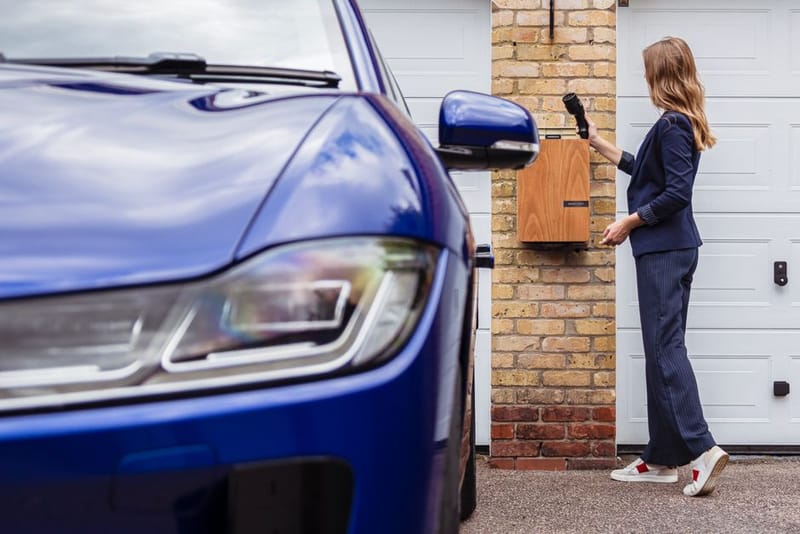
BYD Atto 3 Home Charging UK 2026
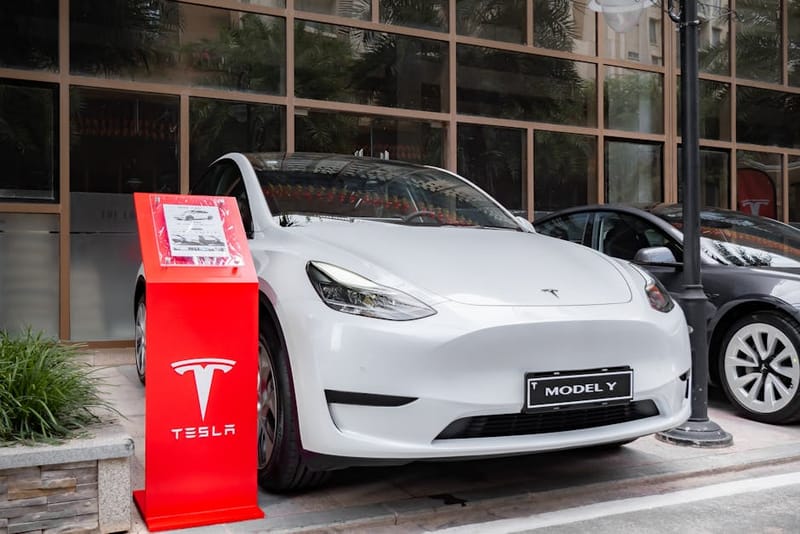
Tesla Model Y Home Charging UK 2026
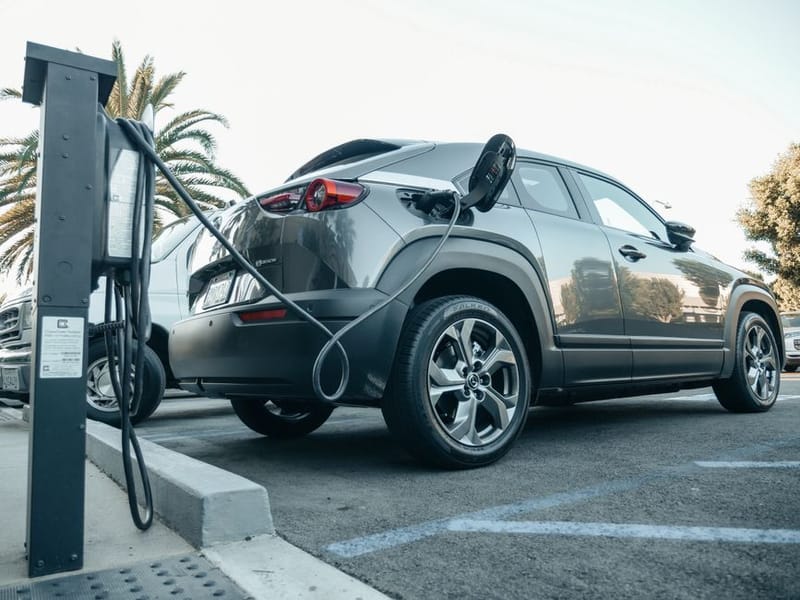
Best Home EV Chargers UK 2026
Best EV Tariffs UK 2026
Get the cheapest off-peak rate on either car
Intelligent Octopus Go gives both the BYD Atto 3 and the Tesla Model Y the same 7.6p/kWh overnight rate (October 2026).