EV vs Petrol Cost UK 2026: 5-Year Total Cost of Ownership
What does it actually cost to run an EV vs petrol in the UK over five years? Real-world 2026 figures for fuel, tax, insurance and depreciation.
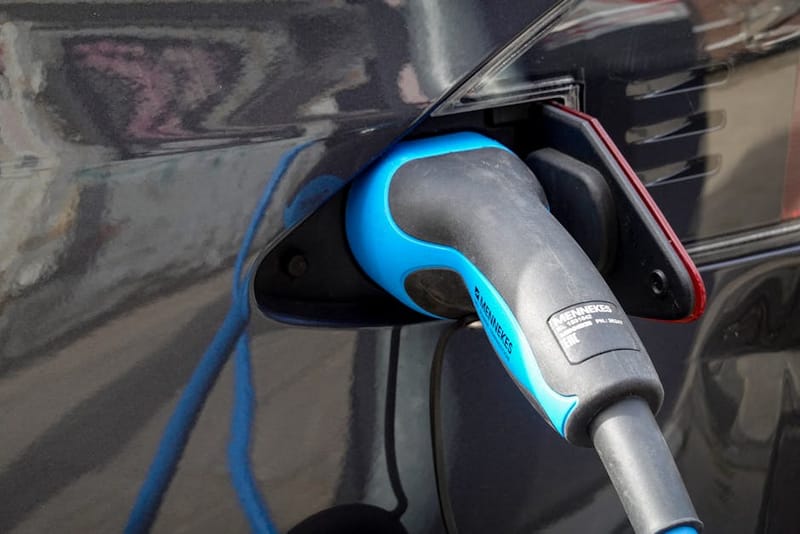
The EV-vs-petrol cost question keeps moving. April 2025 ended the road-tax exemption for EVs. April 2026 brought a 39% cut to the cheapest off-peak EV charging rate. And in mid-May 2026, petrol sits at 157.4p/litre - the highest in over two years (heycar UK fuel-price tracker). For a 10,000-mile-a-year driver doing the maths on their next car, the headline numbers have shifted enough that a year-old comparison is already wrong.
This is a five-year total-cost-of-ownership (TCO) breakdown using 2026 UK figures. Every line item - purchase price, fuel, road tax, insurance, servicing, depreciation - is treated separately, with the assumptions stated up front so you can swap in your own numbers. The conclusion is straightforward but the assumptions matter more than the conclusion.
What's the bottom line on EV vs petrol cost?
5-year cost of a typical EV vs petrol equivalent
Compare two roughly equivalent cars - a £36,000 family EV and a £30,000 petrol equivalent, both bought new in 2026, driven 10,000 miles a year, and kept for five years. The EV charges overnight on Intelligent Octopus Go, the petrol car runs on regular unleaded at the current UK average price.
5-year TCO: EV vs petrol (10,000 miles/yr)
- Purchase price (after Electric Car Grant)
- EV £33,750 | Petrol £30,000
- Fuel/electricity (5 years)
- EV £785 | Petrol £8,950
- VED road tax (5 years)
- EV £810 | Petrol £1,040
- Insurance (5 years)
- EV £3,500 | Petrol £3,000
- Servicing & maintenance (5 years)
- EV £1,750 | Petrol £2,750
- Depreciation at 5 years
- EV ~£18,000 | Petrol ~£15,000
- Net 5-year cost (purchase - resale + running)
- EV ≈ £24,595 | Petrol ≈ £30,740
- EV saving over 5 years
- ≈ £6,145
The EV comes out roughly £6,000 ahead even though it depreciates more in absolute terms. The fuel saving (~£8,000 over five years) more than covers the higher purchase price, marginally higher insurance, and the larger depreciation hit. Below, each line item is unpacked - what's driving it in 2026, where the assumptions could shift, and how to model your own situation.
What does the purchase-price gap look like after the Electric Car Grant?
Like-for-like, new EVs typically cost £5,000-£10,000 more than their petrol equivalents. A Vauxhall Astra petrol-saloon starts around £27,000; the Astra Electric starts around £37,000. The same pattern holds for the Peugeot 208, Renault Megane, Hyundai Kona and most mainstream model ranges.
The Electric Car Grant (ECG) offsets some of that. It applies to new EVs under £37,000 and delivers between £1,500 and £3,750 of discount depending on how the manufacturer scores on the grant's sustainability rating. The mid-tier amount used in the calculation above (£2,250) is a reasonable mainstream-brand baseline. See the November 2025 Budget summary for the latest grant rules, which the Chancellor confirmed unchanged for 2026.
Used EVs flip the equation. Three- and four-year-old EVs have depreciated harder than petrol equivalents (more on that below), so a used Tesla Model 3 or Polestar 2 from 2022-2023 can cost less than the equivalent petrol-engined saloon. For buyers who don't need a brand-new car, the upfront price gap can be neutral or in the EV's favour.
How much do EVs win on fuel cost?
This is the line item that decides the entire comparison. Petrol at 157.4p/litre in a 40-mpg car costs about 17.9p per mile to run. The same mile on an EV charged at a leading UK off-peak rate - Intelligent Octopus Go's 7.6p/kWh as of October 2026 - costs about 2.2p. That's an 8× difference (EDF GoElectric's 6.66p/kWh stretches it to 9×).
For 10,000 miles a year, the implications are stark:
Petrol at 40 MPG, 157.4p/L: ≈ £1,790/year in fuel
EV at 3.5 mi/kWh, 7.6p/kWh overnight smart tariff (October 2026): ≈ £217/year
EV at 15p/kWh (mixed home charging, no smart tariff): ≈ £430/year
EV at 75p/kWh (public rapid only, no home charger): ≈ £2,143/year
The 11× ratio collapses to about 4× if the EV driver doesn't have a smart tariff, and disappears entirely - flips negative - if the EV is rapid-charged in public for every mile. This is the single biggest variable in the whole TCO model.
To put real numbers on a typical UK setup, see the worked example at how much it costs to charge an EV at home, or the tariff comparison at best EV tariffs UK 2026. The short answer: a driveway with a 7kW home charger and an EV-specific smart tariff is the configuration that makes the cost case decisive. Anything else narrows it.
Did the EV VED gap close in April 2025?
From 1 April 2025, EVs lost their long-standing VED exemption. The current rates are:
VED rates from April 2026 (new cars)
- EV first-year rate
- £10
- Standard rate (years 2+, all cars)
- £200/year
- Petrol first-year rate (typical 121-150 g/km CO2)
- £220-£270
- Expensive Car Supplement - EV threshold
- List price > £50,000
- Expensive Car Supplement - petrol/diesel threshold
- List price > £40,000
- Expensive Car Supplement amount (years 2-6)
- +£440/year (£2,200 total)
From year two onwards, the standard rate is identical at £200/year. The EV gets a small £200-260 advantage in year one because its first-year rate is the £10 token amount versus a CO2-banded charge for petrol cars. Over five years, that's roughly £230 in the EV's favour on standard rates - a real number, but a rounding error against the fuel saving.
The April 2026 rule that genuinely shifts the picture is the Expensive Car Supplement. The threshold for EVs was raised from £40,000 to £50,000 from 1 April 2026 - and applies retrospectively to EVs first registered from 1 April 2025 (gov.uk). The threshold for petrol and diesel cars is unchanged at £40,000. So an EV with a list price between £40,000 and £50,000 pays zero supplement; a petrol or diesel car at the same price pays £440/year for five years (£2,200 total). That puts a real wedge of EV tax advantage into a price bracket where most mainstream family EVs sit.
Are EVs still more expensive to insure?
EV insurance remains more expensive than petrol - but the gap has been narrowing every year since 2024. The MoneySuperMarket Electric Car Insurance Index puts the 2026 average EV premium at around £562-£707 versus £487-£558 for petrol - a gap of 10-15%, down from a 25% peak in 2024.
The drivers of the premium are structural rather than risk-based:
EV repair costs run roughly 25% higher per claim, mainly due to battery-pack proximity to common damage zones
Repair times are about 14% longer, increasing courtesy-car and assessor costs
A shortage of certified high-voltage technicians keeps labour rates elevated
Replacement battery packs are expensive enough that minor rear-end shunts can trigger write-offs in older EVs
All four of these are easing as the repair sector expands and insurers accumulate claims data. The trajectory is towards parity, but on a 5-year ownership horizon a £100-150/year premium gap is still realistic. For the TCO model above, an extra £500 over five years for insurance is the right ballpark.
How much do EVs save on servicing and maintenance?
Routine servicing is where the EV's mechanical simplicity shows up directly on the receipt. An annual EV service runs around £165 (no oil change, no spark plugs, no timing belt, no exhaust system, no clutch). The petrol-car equivalent comes in around £205-£300 depending on the model and dealer.
Adding wear-and-tear items (brakes, suspension, tyres, fluids), total annual maintenance averages:
EV: £300-£400/year (regenerative braking dramatically extends brake-pad life)
Petrol: £500-£650/year (more frequent brake jobs, exhaust replacements, clutch wear)
One genuine offset: EV tyres wear faster. Heavier kerb weights (battery packs add 200-400kg over a petrol equivalent) and instant torque both accelerate tread wear. Expect to replace tyres around 25-30% sooner than on a similar-sized petrol car. Specialist low-rolling-resistance EV tyres also cost more per corner than standard fitments. The net of all this - including the tyre offset - still favours the EV by around £200-£250 per year, or £1,000-£1,250 over five years.
Is EV depreciation still the big unknown?
Depreciation is the line item where EVs have most damaged their cost case in the last two years - and where the picture is now stabilising. According to Cox Automotive and Cap HPI data, the average EV loses 38-42% of its value over three years. The equivalent petrol car loses 35-40%. That's a gap of 2-5 percentage points - meaningful, but not catastrophic.
The worst-case comparisons cited in trade press during 2024-2025 - EVs at 61% depreciation versus petrol at 47% over three years - were driven by a flood of ex-fleet and salary-sacrifice EVs hitting the used market faster than buyer demand could absorb. That supply-demand imbalance has been easing through 2025-2026 as used-EV buyer interest catches up.
The recovery is visible in the data: EVs under 12 months old rose from 52% to 56% of their original cost-new between January and October 2025. The trajectory is now positive.
The model-by-model picture matters more than the average. Tesla Model 3, Porsche Taycan, BMW iX and Polestar 2 now hold residual values broadly comparable to their premium-petrol equivalents. Budget and mid-tier EVs from manufacturers without strong brand pull (Vauxhall Astra Electric, MG ZS EV, Citroen e-C4) have suffered more. The 2-5 percentage-point average gap is essentially a brand-weighted blend.
For TCO modelling, building in roughly £3,000 more depreciation over five years for the EV is a conservative working assumption. If you're buying a model with strong residuals it could be £0; if you're buying a budget EV from a brand that's losing share it could be £5,000+.
What does it look like in three realistic UK scenarios?
The headline TCO comparison rewards a specific configuration: driveway home charging, smart EV tariff, 5-year ownership, mainstream mid-market car. Change those variables and the answer changes:
01
The clear-win scenario
Driveway home charger, Intelligent Octopus Go or equivalent, 10-15,000 miles/year, mainstream EV under £40k, kept for 5+ years. Saves £6,000-£10,000 over a petrol equivalent. The configuration the cost case was designed around.
02
The break-even scenario
Mix of home charging (no smart tariff) and occasional public rapid, 8,000 miles/year, premium EV over £50k subject to the Expensive Car Supplement, sold at 3 years. EV cost and petrol cost end up within £1,500 of each other either way. Decision becomes about non-cost factors.
03
The petrol-wins scenario
Public-rapid-only charging (no home option), low mileage (~5,000/year), premium EV with strong supplement and budget-brand depreciation. Fuel saving is small or negative, depreciation gap dominates. Petrol comes out ahead by £2,000-£4,000.
Where does the EV-vs-petrol comparison get fuzzier?
Three TCO-adjacent factors that the spreadsheet doesn't capture but consistently come up in real-world ownership:
Charging convenience. A driveway with a 7kW home charger turns refuelling into a non-event - plug in once a week, walk away, the car is full in the morning. The same routine on a petrol car requires a dedicated 10-minute trip to a forecourt every 1-2 weeks. For some drivers this is worth real money; for others it's irrelevant.
Long-distance friction. EV road trips have got dramatically better over the last three years as Ionity, Instavolt, Gridserve and BP Pulse networks have built out, but they still require more planning than a petrol equivalent. A 400-mile motorway trip in a modern long-range EV adds 30-45 minutes for one charging stop versus the same trip in a petrol car. For someone who does this monthly it's a real lifestyle cost; for someone who flies for long trips it's nothing.
Battery degradation risk. Modern EV battery packs are warranted for 8 years / 100,000 miles to 70-80% capacity. Real-world degradation on 2018+ EVs has run at 1-2% per year on average - better than the warranty floor. But the long-tail risk of a pack failure outside warranty exists, and replacement-pack costs (still £5,000-£15,000) can write off an older EV. Petrol engines have their own equivalent risks (gearbox failures, timing-chain stretches) but the failure-mode distribution is better understood.
What should you do with this information?
Three practical takeaways:
1. Run the fuel-cost calculation for your own situation first. The 11× home-vs-petrol ratio is real but it only applies if you actually have access to a smart EV tariff. The detailed maths is at how much does it cost to charge an EV at home and the tariff options are at best EV tariffs UK 2026. If you can't get to the 5-15p/kWh blended range, the TCO case weakens substantially.
2. Treat depreciation as a brand-and-model question, not a powertrain question. The 2-5 percentage-point EV depreciation premium is an average. The brand-weighted distribution is wide. Check the specific model's residual values on Cap HPI / Cox Automotive before assuming the average applies.
3. Don't model on first-year costs alone. The 5-year TCO is the right horizon for an honest comparison. EV fuel savings compound; depreciation hits hardest in year one and slows; insurance gaps shrink each year. A year-one snapshot consistently makes EVs look worse than they actually are over realistic ownership periods.
Frequently asked questions
How much cheaper is an EV to run vs petrol in the UK in 2026?
Do EVs depreciate faster than petrol cars in 2026?
Is EV insurance more expensive than petrol insurance in 2026?
How much road tax do EVs pay in 2026?
Are EVs cheaper over 5 years than petrol cars?
What's the cheapest way to charge an EV in 2026?
Switch to the right tariff first
The cost case for an EV stands or falls on home charging. The cheapest tariffs in 2026 are under 7p/kWh off-peak (October 2026) - see the live comparison before you buy.