Scottish Power EV Tariff 2026: EV Saver vs Competition
Scottish Power EV Saver charges 6.86p/kWh overnight as of October 2026 - cheap, but the 5-hour window is tighter than Octopus, EDF, or E.ON's.
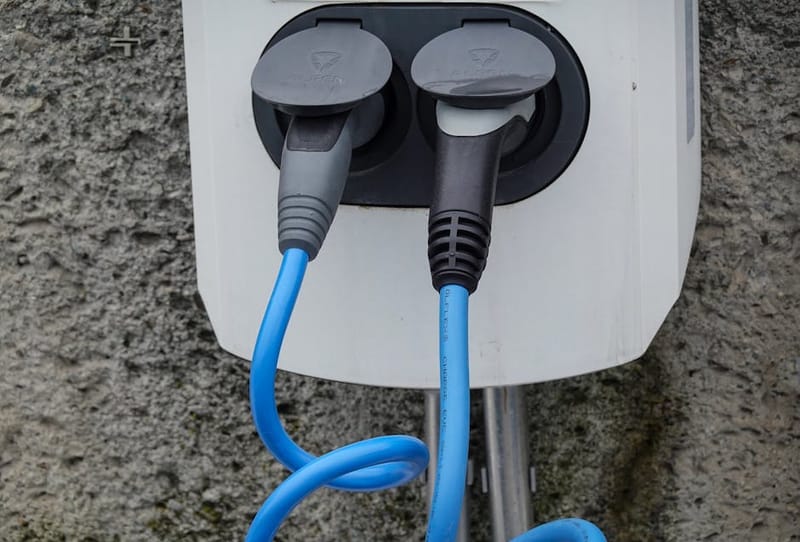
Scottish Power's EV Saver tariff is the supplier's main pitch to EV drivers in 2026 - an overnight off-peak rate of 6.86p/kWh between midnight and 5am (October 2026, from the energyplus tariff tracker - ScottishPower's own site does not show the rate to automated checks, so confirm it in your quote). That undercuts Intelligent Octopus Go's 7.6p on the headline rate. Whether it's the right pick depends less on the headline rate and more on the shape of the off-peak window and where you live.
What are the key facts on the Scottish Power EV Saver tariff?
EV Saver is a time-of-use tariff. The rate you pay depends on when your electricity flows: a low off-peak rate during the overnight window, and a higher peak rate the rest of the time. This is the dominant structure for UK EV tariffs in 2026 - it works because almost all home charging happens at night, when grid demand is low.
The April 2026 v2 terms (published as SMARTEV_B26A) confirm the headline numbers:
- Off-peak rate: 8.5p per kWh, midnight to 5am, under those April terms; 6.86p from 1 October 2026 at 0% VAT (energyplus tracker)
- Peak rate: around 29-32p per kWh by region as of October 2026 (the rest of the day)
- Standing charge: applies on top, varies by region
- Eligibility: single-rate smart meter sending half-hourly readings, monthly Direct Debit
One distinction worth flagging up front: EV Saver is a whole-home off-peak window. Anything drawing power between midnight and 5am - the EV, the heat pump, the dishwasher you delayed, the immersion heater - gets the off-peak rate. That's an advantage over smart-charging-only products where only the car's draw qualifies.
How EV Saver compares to other UK EV tariffs in 2026
The April 2026 Ofgem cap reset reshaped the EV tariff landscape. Intelligent Octopus Go came down to roughly 8p/kWh off-peak, the British Gas / EDF / E.ON Next trio settled at 9p/kWh, and Scottish Power's 8.5p slotted in between. As of October 2026 the order has changed: EDF GoElectric 6.66p, EV Saver 6.86p, Intelligent Octopus Go 7.6p, E.ON Next Drive Smart 8.1p and British Gas EV Power 9.5p. Headline rate is only part of the story though - the length and timing of the off-peak window matters at least as much.
| Scottish Power EV Saver | Intelligent Octopus Go | Octopus Go | EDF GoElectric | British Gas EV Power | E.ON Next Drive Smart | |
|---|---|---|---|---|---|---|
| Off-peak rate | 6.86p/kWh (Oct 2026) | 7.6p/kWh | 8.21p/kWh | 6.66p/kWh | 9.5p/kWh | 8.1p/kWh |
| Off-peak window | 5 hours (00:00-05:00) | 6 hours (23:30-05:30) | 5 hours (00:30-05:30) | 7 hours (23:00-06:00) | 5 hours (00:00-05:00) | 6 hours (00:00-06:00) |
| Type | Whole-home time-of-use | Whole-home + smart scheduling | Whole-home time-of-use | Whole-home time-of-use | Whole-home time-of-use | Whole-home time-of-use |
| Smart scheduling | No | Yes (extra cheap periods) | No | No | No | No |
OVO Charge Anytime is structurally different and doesn't fit the table cleanly. It's not a whole-home cheap window - instead it's a pay-as-you-go smart-charging credit (13.33p/kWh as of October 2026, applied to car draw only) or a monthly plan product on top of a regular home tariff. Useful if you can't get a time-of-use tariff in your area, but rarely the cheapest option if you can.
Who Scottish Power EV Saver makes sense for
Existing Scottish Power customers in dominant DNO regions
Scottish Power is the default historic supplier across the Manweb DNO region (North Wales, Merseyside, Cheshire) and most of southern/central Scotland. If you're already on a Scottish Power non-EV tariff, switching to EV Saver is faster than changing supplier - the smart meter and account infrastructure are already in place.
Modest overnight chargers (under 35 kWh per session)
A 7kW home charger delivers roughly 35 kWh in a 5-hour off-peak window. That's a typical weekly top-up for a 35-50 mile daily commute. If your routine fits inside that window, EV Saver's 6.86p rate (October 2026) is genuinely competitive.
Households that shift other loads overnight too
Because EV Saver applies to the whole home between midnight and 5am, anyone running a heat pump in the cheap window, a delayed dishwasher cycle, or an immersion heater on a timer captures the off-peak rate on those loads too. Smart-charging-only products don't offer this.
Where EV Saver falls short
The 5-hour off-peak window is the main constraint. For a household charging a long-range EV from near-empty (75-80 kWh), or a two-EV household sharing one charger, the window often runs out before both cars finish. EDF GoElectric's 7-hour window (23:00 to 06:00) and E.ON Next Drive Smart's 6-hour window (00:00 to 06:00) give more flexibility for that profile.
The other gap is smart scheduling. Intelligent Octopus Go's smart-charging integration unlocks extra off-peak periods when grid conditions allow - typically taking the effective off-peak rate down further on days with high wind generation. EV Saver doesn't do this; you get the fixed 5-hour window and nothing more.
Finally, the peak rate, around 29-32p/kWh by region as of October 2026, sits above the 26.32p/kWh price cap. If a significant share of your usage happens outside the off-peak window (e.g. you work from home and run loads through the day), the higher peak rate eats into the off-peak savings. Run the maths on your specific usage shape before switching.
EV Saver vs EV Optimise: which Scottish Power product?
Scottish Power runs two distinct EV products and the naming is easy to confuse. EV Saver is the time-of-use tariff described above. EV Optimise is a separate smart-charging product - closer in structure to OVO Charge Anytime than to a whole-home tariff. It charges 8p/kWh during smart-scheduled sessions but only on the car's draw; the rest of the home stays on the parent tariff.
The decision used to hinge on what else runs overnight. As of October 2026, EV Saver's 6.86p undercuts EV Optimise's last-published 8p even for car-only charging, and its whole-home structure also covers a heat pump, immersion heater, dishwasher, or other significant overnight load. EV Optimise's appeal is smart scheduling without changing your whole-home tariff.
Switching: requirements and process
Confirm smart meter eligibility
EV Saver requires a single-rate smart meter capable of sending half-hourly readings. If your meter is on a SMETS1 firmware version that doesn't support this, Scottish Power will arrange an upgrade - adds 2-4 weeks to the switch.
Set up monthly Direct Debit
EV Saver is Direct Debit only. Quarterly billing and prepayment customers aren't eligible - switch billing method first if needed.
Apply via Scottish Power's EV Saver page
New and existing customers apply through the same portal. Existing customers transition between tariffs in 14-28 days; switchers from other suppliers take 5-21 days under the standard Ofgem switching guarantee.
Verify the off-peak window in your account
After switching, check your account dashboard or app to confirm the 00:00-05:00 off-peak window is active. Smart meter teething issues occasionally delay this; if usage isn't billing at off-peak rates after the first full week, raise it with Scottish Power immediately.
Frequently asked questions
Is Scottish Power EV Saver cheaper than Intelligent Octopus Go?
Do I need a specific EV or charger to qualify for EV Saver?
What's the difference between EV Saver and EV Optimise?
Can I get EV Saver if I'm on a fixed-term tariff with another supplier?
Is the off-peak rate guaranteed to stay at 6.86p?
Compare every UK EV tariff side-by-side
See the full picture of overnight EV charging costs across Octopus, OVO, EDF, British Gas, E.ON Next, and Scottish Power.