Landlords EV Charger Grant UK: £500 Per Socket Guide
OZEV's landlord chargepoint grant pays £500 per socket, up to 200 sockets a year. Who qualifies, what's excluded, and how to apply via Find a Grant.
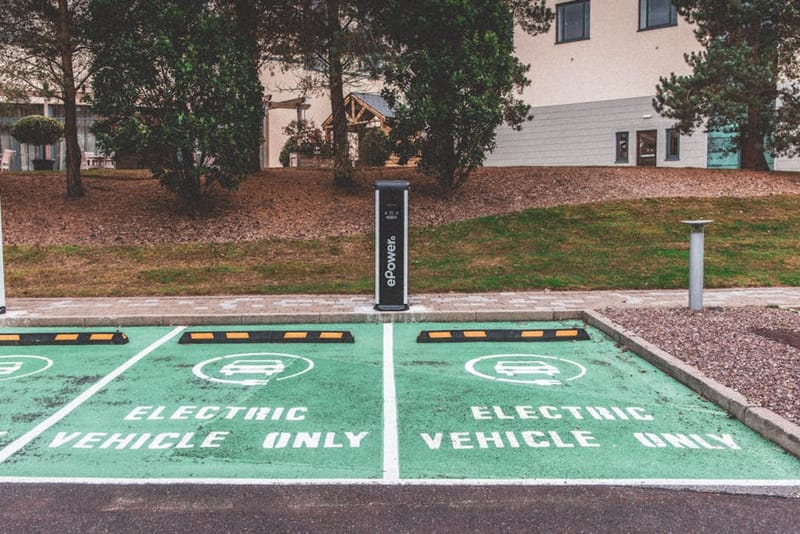
The landlords EV charger grant in the UK - formally the OZEV Residential Landlord Chargepoint Grant - pays 75% of installation costs up to £500 per socket for chargepoints fitted at residential property you let to tenants. The grant rose from £350 to £500 per socket on 1 April 2026, and the application process moved to the government's Find a Grant platform on the same day. Here's exactly who qualifies, what's excluded, and how the new flow works.
What the landlord grant pays out
The £500-per-socket cap in plain numbers
The Residential Landlord Chargepoint Grant covers 75% of the combined hardware and installation cost, capped at £500 per socket. Where the cheaper of those two limits applies depends on the install price. On a typical £900 single-socket install, the 75% rule caps the payout at £675, but the £500 socket cap reduces it to £500 - so the grant pays £500 and you pay £400. On a £600 install, 75% would be £450, which is below the £500 cap, so the grant pays £450 and you pay £150. The grant is netted off the installer's final invoice - there is no separate refund step.
You can claim grants for up to 200 sockets a year, spread across one property or many. A dual-socket chargepoint counts as two sockets, so a single twin unit can attract up to £1,000 of grant funding. The cap resets each financial year (1 April to 31 March), but the scheme as a whole is currently funded only until 31 March 2027, so a portfolio landlord planning a large rollout needs to budget against that deadline rather than assume an indefinite runway.
Who can apply
Eligible applicant types and the entity rules
OZEV defines the eligible applicant pool broadly. The five categories that recur in the official guidance are:
Private landlords with property let to a tenant - including individuals letting a single flat, portfolio landlords with multiple properties, and companies that own and let residential stock.
Right-to-Manage (RTM) companies and Residents' Management Companies (RMCs) acting on behalf of the leaseholders in a block of flats.
Freeholders - the company or person owning the freehold of a residential building.
Property management companies installing chargepoints on behalf of a landlord client.
Public sector organisations and registered providers of social housing - councils, housing associations, NHS trusts with on-site staff housing, and similar.
All applicants must be registered at Companies House or VAT-registered. A sole-trader landlord operating under their own name, with no VAT registration and no incorporated company, will need to register one of those routes before they can apply - there is no "individual landlord" path through the scheme. For most accidental landlords with a single buy-to-let, the cleanest answer is voluntary VAT registration; for portfolio landlords, an incorporated property company is the more usual route.
Who can't apply
The exclusions that catch landlords out
The disqualifying conditions are narrow but firm. If any of these apply, the landlord grant is not the right scheme:
You live in the property yourself - even if you also let part of it. Owner-occupiers are routed to the separate Flats & Renters grant (also £500 per socket, but capped at one socket per resident).
The property is only used for holiday accommodation. Short-stay holiday lets, Airbnbs operating purely as short-let inventory, and serviced holiday cottages are out.
The property is in the Channel Islands or the Isle of Man - the scheme covers England, Wales, Scotland and Northern Ireland only.
The chargepoint has already been installed. OZEV will not retrospectively fund an installation; the grant must be confirmed before the installer fits the unit.
The installer is not OZEV-authorised, or the chargepoint model is not on the approved residential list. The scheme is delivered through accredited installers - DIY installs and non-approved hardware are ineligible.
Parking and tenant access requirements
What counts as "private off-street parking"
The parking space attached to the chargepoint must be off-street, private, clearly defined, and accessible to the tenant. The space does not have to be physically part of the property - a designated bay in a shared car park behind a block of flats is fine, provided it is allocated to a specific tenant rather than shared on a first-come-first-served basis. On-street parking, even where the local authority has issued a residents' permit, does not qualify; the cross-pavement charging scheme is the separate route for those situations.
For blocks of flats, the most common stumbling block is freeholder consent. The landlord (or the RTM/RMC submitting the application) needs the freeholder's written permission to alter the building's electrical infrastructure and cable runs before the installer can quote, let alone install. Build that conversation into the timeline - it routinely adds two to six weeks to the project.
How the Find a Grant application flow works
The post-1 April 2026 process in five steps
Confirm freeholder and (where relevant) tenant consent
Get written permission for the install and cable runs before applying. The application asks you to confirm consent is in place.
Apply via Find a Grant
Submit your application on the GOV.UK Find a Grant platform. You'll need your Companies House number or VAT registration, property addresses, and the tenant access arrangements for each socket.
Receive your voucher
OZEV reviews the application and, if eligible, issues a grant voucher confirming the funded socket count and rate. The chargepoint must not be installed before this confirmation arrives.
Choose an OZEV-authorised installer and get the quote netted off
Pick from the OZEV-authorised installer list. The quote should show the gross cost and the £500-per-socket grant deducted, so you only pay the residual.
Installer claims the grant on your behalf
Once the install is complete the installer submits the claim - photographs of the installation, your invoice showing total cost minus grant, and the chargepoint model details - to OZEV directly. From 1 April 2026 OZEV notifies installers of claim status by email rather than a portal.
What changed on 1 April 2026
And what to do if you applied under the old rules
Two material changes hit the landlord scheme on the same day. First, the maximum grant rose from £350 to £500 per socket - a 43% increase that materially improves the economics for landlords funding multi-socket rollouts. Second, the customer-facing application moved to the GOV.UK Find a Grant platform, and the installer-facing claim portal was replaced by email-based status notifications. Day-to-day, that means installers see fewer ways to chase a stalled claim and you should expect to be the one prompting them for an update if a notification gets lost.
Landlord grant vs Flats & Renters grant - which to use
Two schemes, one rate, very different applicants
Both schemes pay up to £500 per socket and run until 31 March 2027, but they target different parties and the cap structure differs sharply. The headline split is who is applying - the property owner (landlord grant) or the tenant / leasehold flat-owner (Flats & Renters grant).
| Residential Landlord grant | Flats & Renters grant | |
|---|---|---|
| Who applies | The landlord, RTM/RMC, freeholder, or property manager | The resident - owner-occupier flat-dweller, or a tenant in a let property |
| Socket cap | Up to 200 sockets per year per applicant (group cap) | One socket per resident |
| Property | Let to a tenant - not owner-occupied, not holiday let | The resident's own home, with their own private parking space |
| Entity | Companies House or VAT-registered | Individual - no Companies House requirement |
| Coverage | England, Wales, Scotland, Northern Ireland | England, Wales, Scotland, Northern Ireland |
The pragmatic rule of thumb: if the property owner is paying for the chargepoint and the tenant is using it, that's the landlord grant. If the resident is paying and the landlord is just giving permission for the install, that's the Flats & Renters grant. The two grants cannot both be claimed for the same socket.
How this fits the wider OZEV grant landscape
Five schemes, one funding pot, one cliff-edge
OZEV runs five distinct chargepoint grant schemes, all funded until 31 March 2027. For landlords the relevant three are the Residential Landlord grant covered here, the EV Chargepoint Grant for renters and flat owners, and the Workplace Charging Scheme for staff and visitor parking at commercial premises. A landlord with mixed-use property - flats above retail, say - may end up running two parallel applications: the residential portfolio under this scheme, and the staff parking under WCS. There's also the cross-pavement charging grant for street-side installs where off-street parking isn't available, run through local authorities rather than directly through OZEV.
Practical timeline and what slows applications down
Plan for 6–10 weeks end to end
A clean single-property landlord application - Companies House registered, freeholder permission already in hand, off-street parking allocated, OZEV-authorised installer lined up - can move from Find a Grant submission to commissioned chargepoint in about four to six weeks. The three common reasons that stretches to ten weeks or more are: waiting for freeholder consent on flat-block installs; DNO (Distribution Network Operator) approval for installs that need a supply upgrade or load-management agreement; and back-and-forth with the installer about which approved model best fits the property's electrical headroom.
Portfolio landlords planning 10+ socket rollouts should batch the application - submitting one claim covering multiple properties is administratively cleaner than running parallel single-property applications, and gives the OZEV reviewer a fuller picture of where the £500-per-socket allowance is going. The 200-socket annual cap rarely bites for individual landlords, but for housing associations and councils it can - budget the rollout in tranches that respect the financial-year reset.
Frequently asked questions
Can a landlord get the grant for a single buy-to-let?
Does the tenant need to consent to the install?
Can a landlord recover the grant if the chargepoint is removed later?
What happens to the grant if I sell the property?
Is the grant taxable income for the landlord?
What if my installer isn't on the OZEV-authorised list?
Bottom line for landlords
The £500-per-socket landlord grant is one of the more generous decarbonisation incentives the UK currently offers a private property owner. The economics work out at roughly £500 of grant against £900–£1,400 of typical installed cost - meaning the landlord typically funds £400–£900 per socket out of pocket, with the chargepoint then either bundled into rent, recovered through a separate tenant fee, or treated as a capital improvement to the property. With the scheme funded only to 31 March 2027 and the higher £500 rate now in place, the window to capture the better economics is open but finite.
Compare the OZEV grant routes
See the full picture: residential, flats & renters, and the Workplace Charging Scheme - and pick the right route for your portfolio.