EV Public Charging Etiquette UK 2026
EV public charging etiquette UK 2026: timing, blocking, payment apps, queue management, ICE-ing, and good practice.
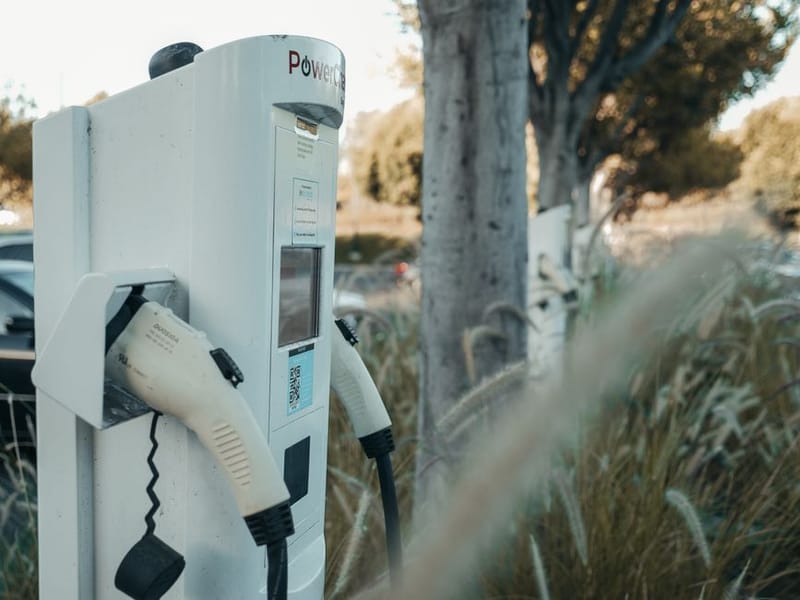
Public charging etiquette in UK 2026 - what good UK EV drivers actually do, and the friction points worth understanding.
Rule 1 - Move your car when charging completes
Don't block waiting drivers.
The basic principle:
- EV charging bays are scarce in the UK 2026 - 1-2% of UK car park spaces typically.
- Leaving a fully-charged car plugged in blocks a waiting driver from completing their journey.
- Move your car within 10-15 minutes of charge completion.
How chargers + apps help:
- Most modern UK chargers send push notification when charge complete.
- Set notification 5-10 min before expected completion - gives you transition time.
- Some networks (Shell Recharge, Octopus) show queue waiting via app.
Idle fee schedules (UK 2026):
- Shell Recharge: GBP 0.50/min after 15-minute grace period.
- BP Pulse: GBP 0.20/min after 90 minutes.
- Tesla Supercharger: GBP 0.50/min in occupied bays after full charge.
- Pod Point + InstaVolt: rate-card varies; check before sessions.
- Public council chargers: typically no idle fees (rare exception).
Why idle fees matter:
- Discourage 'parking + charging' use of bays.
- Free up bays for waiting drivers.
- Idle fees can quickly exceed actual charging cost - GBP 30+ for a 1-hour idle after free charge.
Rule 2 - Don't 'ICE' EV bays
Petrol cars must not park in EV-only spaces.
What 'ICE-ing' means:
- ICE = Internal Combustion Engine.
- 'ICE-ing' = parking a petrol/diesel car in an EV-only marked bay.
- Why it's a problem: blocks a waiting EV driver from charging.
UK 2026 enforcement:
- Most UK car parks (public + private) now have marked EV-only bays.
- Penalty charges: GBP 50-100 for parking in EV bay without EV plate.
- Some London boroughs (Camden, Westminster) enforce GBP 130 PCN.
- Service stations: more aggressive enforcement (Welcome Break, Roadchef chains).
The ambiguous case:
- EV not actually charging - just parking (charger unplugged or not in use).
- Some networks consider this acceptable; most consider it not.
- Best practice: only park in EV bay if actively charging. Move car when complete.
Rule 3 - Match charging speed to need
Don't hog ultra-rapid for top-ups.
UK charger speed tiers (2026):
- Slow AC (7-22kW): typical 4-6 hours full charge. Many public destination chargers (hotels, restaurants).
- Fast DC (50kW): typical 1-2 hours full charge. Service stations, supermarkets.
- Ultra-rapid DC (150-350kW): typical 15-45 min full charge. Motorway services, dedicated hubs.
Etiquette:
- If you need 30% top-up + are on a road trip: ultra-rapid (efficient + frees the spot quickly).
- If you're stopping at a service station for 2-hour family lunch: fast DC (50kW) is enough.
- If you're parked overnight at a hotel: slow AC is fine.
- Don't take an ultra-rapid for a 5-min stop - you don't benefit much + the bay is needed.
What ultra-rapid does NOT do:
- Charge fast above 80% - taper to slow rate. Stop at 80% if road-tripping.
- Charge in winter (-5°C) - rate drops 30-50%. Don't expect the rated speed.
- Charge cars with smaller battery management - Nissan Leaf, etc. can only accept ~50kW DC.
Rule 4 - Cable management
Trip hazard + damage prevention.
UK cable conventions:
- Return cable to holster: most chargers have a wall-mounted holster. Use it when done.
- Don't leave cable on ground: trip hazard for other drivers + vehicles.
- Don't drape cable across walking paths: blocks pedestrian routes.
- Position cable neatly: minimise risk of being run over by your own car or others'.
Cable lock courtesy:
- If your car has a cable lock (most modern EVs do), engage it during charging.
- Helps prevent theft of cable + accidental disconnect.
If cable gets damaged:
- Report to network operator immediately.
- Don't use damaged cable - risk of electric shock + fire.
- Many networks have customer service phone numbers on the unit.
Rule 5 - Queue management + communication
Polite waiting practices.
If you arrive + need to wait:
- Identify yourself to waiting drivers (acknowledge presence).
- Establish queue order if multiple waiting.
- Use waiting time productively (coffee, restroom, food).
- Don't queue-jump if another driver was there first.
When you're charging + others arrive:
- Acknowledge waiting drivers + share estimated completion time.
- Offer to move car if you're at 80%+ + they need urgent charge.
- Don't extend charging session unnecessarily for waiting drivers' benefit.
Communication tools:
- Some apps (Zap-Map, PlugShare) have community-reporting features.
- EV-driver groups on Facebook + Reddit r/EVUKBuy share local etiquette norms.
- Most drivers respond well to friendly communication.
Payment app fragmentation
The UK 2026 reality.
UK has 8+ major public charging networks - each with its own app:
- BP Pulse: ~25,000 chargers; app + RFID + contactless.
- Shell Recharge: ~12,000 chargers; app + Shell loyalty integration.
- Pod Point: ~10,000 chargers (Tesco lot integration); app + contactless.
- Ionity: ~150 ultra-rapid sites; member tariff + per-use rate.
- Tesla: Supercharger network for Tesla owners + non-Tesla (2024+ network opening).
- Osprey: ~1,500 ultra-rapid sites; app + contactless.
- InstaVolt: ~1,000 sites; app + contactless.
- GeniePoint: ~5,000 mixed chargers.
- Octopus Electroverse: Octopus members access many networks above via single app + payment.
Practical strategy (UK 2026):
- Install 2-3 apps before regular road-tripping: BP Pulse + Shell Recharge + Octopus Electroverse covers most needs.
- All major networks accept contactless now - quick spot-charges don't strictly require apps.
- Some networks offer monthly subscriptions - worth it for frequent users.
- Roaming: most UK 2026 networks support 'roaming' - your home network's app/card works on partner networks.
Common etiquette violations + responses
What to do.
- Car at full charge but not moved: leave polite dashboard note; try next charger on Zap-Map. Don't escalate.
- ICE-ing (petrol car in EV bay): report to car park management or contact network if signage promises enforcement.
- Vandalism (cable cut, damaged): report immediately to network. Don't use damaged equipment.
- Queue-jumping: courteous reminder to other driver; most apologise + correct.
- Cable left on ground (trip hazard): return to holster if reasonably safe; alert network if persistent.
- Tariff confusion / scam concerns: take photos of price displayed; report to network. UK regulator Ofgem oversees this.
Looking forward - UK 2027+ etiquette trends
Where this is heading.
Dynamic pricing: networks adjusting prices based on demand. Expect more transparent surge-pricing displays.
Network roaming: increasingly seamless. Most UK 2026 networks roam to each other (Open Charge Alliance principles).
Reservation systems: some networks (Tesla, Ionity) trialling bay reservations 30 min ahead.
Better infrastructure density: ~50% increase in UK public chargers per year (2024-2026); etiquette pressure should reduce as bays become less scarce.
Vehicle-to-grid (V2G): discharge events at public chargers may emerge (driver sells back to grid during peak).