EV Charging on Rented Property UK 2026
EV charging on rented property UK 2026: landlord conversations, portable solutions, your legal rights, available grants.
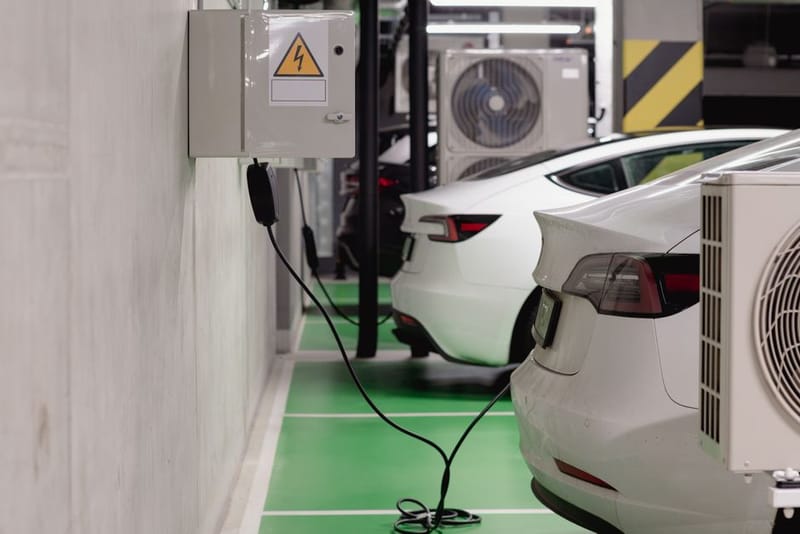
UK renters face real obstacles to EV ownership but practical solutions exist. This guide covers the negotiation + technical options for tenants in 2026.
Why renting + EV is complicated
The structural issue.
Three main constraints:
- Property alteration consent: most UK assured shorthold tenancies (ASTs) restrict tenant-initiated alterations without landlord consent. Installing a 32A circuit + charger socket is a permanent alteration.
- Lease term mismatch: standard 12-month AST vs typical 8-15 year EV ownership. Tenants face risk of moving + losing the charger investment.
- Cost-bearer question: who pays for install? landlord (owns property + benefits from upgrade) or tenant (uses the EV)? Often unclear without explicit agreement.
Why landlords sometimes refuse:
- Cost concern: don't want tenant doing complex electrical work.
- Aesthetic concern: charger visible on facade.
- Sale concern: charger restricts future sale to non-EV buyer.
- Insurance/liability concern: improper install causes fire risk.
- Just disinterested.
Path 1 - landlord-supported install (most common)
Cooperative approach.
Process:
- Tenant raises EV charger conversation with landlord.
- Frame: 'I'm switching to an EV; would you consider letting me install a home charger?'
- Landlord considers + responds.
- If yes: written agreement drawn up (install terms, ownership, removal clauses).
- Tenant or landlord arranges install via MCS-certified electrician.
- Charger installed; both parties keep documentation.
Cost-bearing options:
- Tenant pays: GBP 800-1,200 for typical 7kW install. Tenant 'donates' the charger to property when they leave. Common.
- Landlord pays + rents charger to tenant: GBP 5-15/month rent for charger use. Recovers cost over time.
- Landlord pays via grant: EV Chargepoint Grant for landlords (up to GBP 350/socket, max 200 sockets per residential building per year). Landlord net cost: GBP 450-850. Most generous arrangement for tenant.
- 50/50 split: less common; needs lease amendment.
What both parties usually agree:
- Install must be by MCS-certified electrician.
- Install complies with UK regs (Part P, Section 8 electrical install).
- Charger becomes property of landlord at end of tenancy.
- Tenant has right of use during tenancy term.
- Tenant doesn't disconnect / move charger without landlord consent.
Path 2 - tenant-funded with reversion clause
Less common but workable.
How it works:
- Tenant pays for full install + retains ownership.
- Lease amendment specifies: at end of tenancy, charger removed + electrical install restored to original.
- Tenant either takes charger to new property OR sells it.
When this makes sense:
- Long-term tenancy (3+ years, renewing) where tenant has clear long-term plan.
- Tenant rents same property indefinitely (e.g. family home, parental rental).
- Tenant willing to pay ~GBP 1,200-2,000 (vs GBP 800-1,200 standard install + removal premium).
Risks:
- Removal costs at end of tenancy: GBP 200-500.
- Wall damage from removal not insured.
- Most chargers don't transfer well to a new property (different supply, different mounting needs).
Not common in UK 2026: landlord-supported install is the more attractive path for both parties.
Path 3 - portable solutions (no install)
When install isn't possible.
1. 3-pin granny cable (very slow):
- Plugs into standard UK 3-pin socket (13A).
- Charges at 2.3kW (vs 7kW home charger).
- Full charge: 24-48 hours for typical 60 kWh EV battery.
- Acceptable for: very low mileage (<20 miles/day average).
- Cost: GBP 100-200 cable; no install.
- Risk: not recommended for daily reliance; some flats / cables don't handle continuous high current safely.
2. Commando socket (16A or 32A):
- Looks like a heavy-duty round industrial socket.
- Charges at 3.6kW (16A) or 7kW (32A).
- Requires electrical install but lighter-weight than full charger.
- Cost: GBP 200-400 install.
- Used with portable EVSE box (GBP 200-500) when needed.
- Often easier to get landlord consent (less visible than wall-mounted charger).
3. Workplace charging as primary:
- Many UK employers offer free / subsidised workplace charging.
- Workplace Charging Scheme (UK gov): up to GBP 350/socket, up to 40 sockets per employer.
- If employer participates: free charging for tenant; no home install needed.
- Best for: 9-5 office workers; reliable parking at workplace.
4. Public charging primary:
- Use public chargers (Octopus Electroverse, BP Pulse, etc) as primary.
- Cost: GBP 0.45-0.80/kWh.
- Best for: very low mileage (<2,000 miles/year) where cost per mile still acceptable.
- Annual cost typical 5,000-mile driver: ~GBP 500-900 vs GBP 100-200 home charging.
Negotiation tactics
If landlord initially resists.
- Lead with property-value increase: EV chargers add typically GBP 1,500-3,000 to property value (2026 UK market). Selling/letting becomes easier in EV-aware buyer/tenant market.
- Mention the grant: many landlords don't know about Electric Vehicle Chargepoint Grant for landlords (GBP 350/socket).
- Offer to organise the install: removes landlord's logistical burden. Just need their written consent + access for installer.
- Offer to pay yourself: removes financial concern.
- Reference comparable properties: 'X% of similar properties in the area now have EV chargers'.
- Mention insurance + warranty: MCS install includes manufacturer warranty + qualified workmanship guarantee.
- Suggest written agreement with reversion clause: addresses concerns about property modification.
UK tenant rights + recent legislation
Where the law sits.
Renters' Rights Bill (likely passed 2026 in UK):
- Strengthens tenant ability to make 'reasonable alterations'.
- EV chargers likely qualify under definition.
- Landlord can refuse only with 'reasonable' grounds.
- Not yet fully implemented as of 2026 - check current status.
Until then:
- Tenants have no automatic right to install EV charger.
- Landlord can refuse without explanation.
- Negotiation + consent is the only viable path.
Practical reality:
- Most UK landlords say yes when properly approached + offered fair terms.
- Refusal usually stems from misunderstanding (grant availability, install ease).
- If landlord refuses outright + you have a long lease ahead: consider portable solutions OR explore moving as part of long-term planning.
Block of flats + multi-tenant scenarios
Different challenges.
Leasehold flat with shared parking:
- Need both landlord (freeholder) AND management company consent.
- Often requires AGM-level approval.
- EV Chargepoint Grant for flats (different scheme): up to GBP 350 per socket; covers communal chargers benefiting multiple residents.
- Process: 6-12 months typical from initial conversation to install.
Council estate / housing association:
- Council/housing-association tenants face additional bureaucratic hurdles.
- Some London boroughs (Camden, Tower Hamlets) have specific schemes; check your borough.
- Cross-pavement charging schemes (cable channel + kerbstone slot) emerging in some areas.
Private rented flat (BTL landlord):
- Closer to standard house rental.
- Landlord often has more decision-making autonomy.
- Same negotiation tactics as standard house.