EV Charging for Multi-EV Households UK 2026
Two-EV household UK 2026: shared charger vs two chargers, tariff strategy, electrical supply load planning, cost framework.
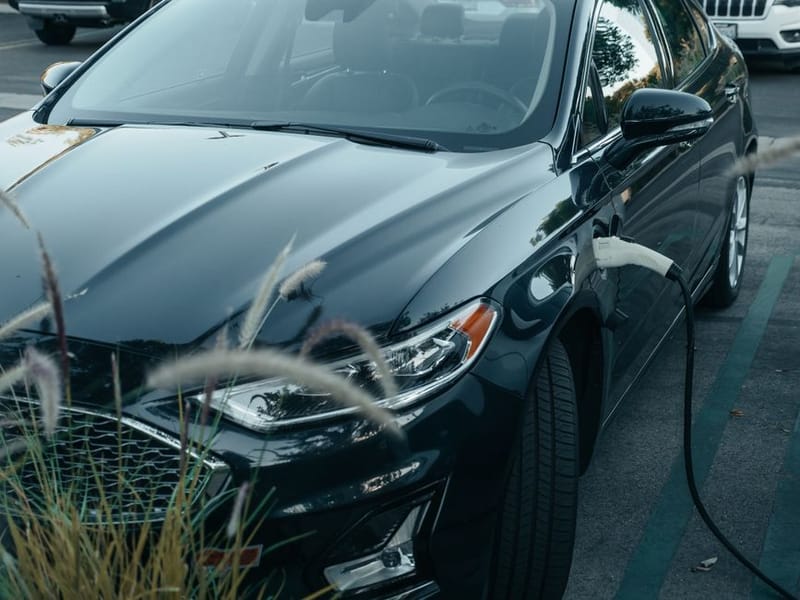
Two-EV households are growing in UK 2026 as second-car EVs become economical. This guide covers the install + tariff strategy.
How it works:
- One 7kW home charger services both cars.
- Cars alternate or share charging slots overnight.
- Schedule coordination via app (Intelligent Octopus Go schedules each car separately).
When this works:
- Both cars do <40 miles/day average → each needs ~10-12 kWh/day → ~3-4 hours charging.
- Combined daily kWh needs: ~20-25 kWh.
- Single 7kW charger over 6-hour cheap-rate window: 42 kWh available - more than enough.
- Alternative: each car charges every other day to 80%.
Practical scheduling:
- Car A plugs in 23:00 - 03:00.
- Car B plugs in 03:00 - 06:30 (next morning).
- Both finish before peak rate starts.
- Requires manual plug-swap (not automated).
Pros:
- Lower install cost (no second charger).
- No supply upgrade needed (single 7kW draws ~32A, well within 80A supply).
- Simple electrical infrastructure.
Cons:
- Manual plug-swap required overnight.
- Both cars must be home at the right times.
- Limits flexibility (can't charge both during a daytime cheap window simultaneously).
- Workplace charging fallback needed if both cars at low charge + need same morning.
Two chargers installed - flexible approach
Higher-mileage households.
How it works:
- Two 7kW chargers installed (one per car).
- Both cars charge simultaneously if needed.
- Dynamic load balancing OR supply upgrade required for shared 14kW combined draw.
When this works (vs single):
- Both cars do >60 miles/day average.
- Both cars need full overnight charge.
- One+ household member does irregular hours (can't reliably plug-swap).
- Larger battery EVs (75 kWh+) that take longer than 6-7 hours full charge.
Electrical supply considerations:
- Standard 80A supply: 7kW + 7kW = 14kW = 58A combined EV load.
- Plus household baseline (~3-5 kW): brings to ~17-19 kW.
- Cooker + heat pump + EV × 2 at peak: ~22-26 kW → exceeds 80A (19kW) supply.
- Solutions: 100A supply upgrade (more headroom); dynamic load balancing.
Dynamic load balancing:
- Both chargers monitor whole-house current draw.
- If household + EV combined approaches supply limit: one or both chargers throttle.
- Typically: each charger drops from 32A to 16A when household is at peak.
- Total charge time extends but never trips the main fuse.
- Examples: Ohme Pro + Ohme Pro pair, Zappi + Zappi, Easee Home + Easee Home with shared CT clamp.
Tariff strategy for two-EV households
Smart-tariff coordination.
Intelligent Octopus Go for two EVs:
- Octopus allows TWO separate IO agreements - one per EV.
- Each car has its own app account + schedule.
- Both cars charge during 23:30-05:30 cheap window at 7.6p/kWh (October 2026).
- Cars typically share the 6-hour window without conflict (sequential charging).
- Total household electricity costs are the same as single-EV (off-peak window is the same).
Octopus Cosy for two EVs:
- Multiple cheap-rate windows per day (04:00-07:00 + 13:00-16:00 + 22:00-00:00).
- EV + EV + heat pump + appliances all run during cheap windows.
- More flexibility for mid-day work-from-home + EV charging.
- Costs comparable to IO for typical 2-EV usage.
Octopus Agile (advanced users):
- Half-hourly rates; cheapest typically 02:00-06:00 + 13:00-15:00 + 22:00-00:00.
- Both EVs scheduled via Home Assistant or similar automation.
- Potential GBP 100-300/year extra savings vs IO for active management.
- Best for: technically-comfortable users.
Shared single charger (no extra cost):
- Existing 7kW charger: assumed.
- Tariff registration of second EV: GBP 0.
- Scheduling: manual or via Octopus app.
- Net additional cost: GBP 0.
Dual chargers + dynamic load balancing:
- Second 7kW charger (Ohme Pro / Zappi / Easee): GBP 800-1,200.
- Install: GBP 400-700.
- CT clamp / load-balancing config: included if same brand.
- Net additional cost: GBP 1,200-1,900.
Dual chargers + 100A supply upgrade:
- Second 7kW charger: GBP 800-1,200.
- Install: GBP 400-700.
- Supply upgrade 80A → 100A: GBP 300-900 (DNO charges).
- Consumer unit upgrade if needed: GBP 700-1,500.
- Net additional cost: GBP 2,200-4,300.
Recommended setup by driving pattern
Decision framework.
Both cars do <40 miles/day average:
- Single 7kW shared charger sufficient.
- Manual plug-swap workable.
- Each EV on Intelligent Octopus Go.
- Net cost: GBP 0 extra.
Both cars do 40-60 miles/day average:
- Either approach works; consider lifestyle preference.
- Manual swap acceptable if both partners flexible.
- Dual chargers if convenience matters.
- Net cost: GBP 0 or GBP 1,200-1,900.
Both cars do >60 miles/day average:
- Dual chargers + load balancing recommended.
- Avoid forced supply upgrade unless household otherwise needs it.
- Net cost: GBP 1,200-1,900.
Combined with heat pump + induction cooker:
- 100A supply upgrade often justified (future-proofs household).
- Even single-EV households may want this for resilience.
- Net cost: GBP 1,500-3,000 supply + consumer unit work.
Common multi-EV mistakes
What to avoid.
- Two separate non-balancing chargers: risks supply trip when both run + household load is high. Always specify load-balancing capability.
- Mixing different brands of chargers: load balancing typically requires same-brand pair. Stick with one brand for both chargers.
- Standard variable tariff for two EVs: ~GBP 1,500-2,500/year wasted vs Intelligent Octopus Go. Switch immediately.
- Single Octopus IO account for two EVs: works but car-charge tracking gets confused. Use separate accounts per EV.
- Plug-swap reliance with frequent travellers: schedule failures = morning surprise. Either dual chargers or strict charging discipline.
Future planning - 3+ EV households
Where 2026 trends point.
By 2030-2035, UK 3+ EV households (parents + adult children with multiple cars) become common:
- Single 7kW charger insufficient.
- Two 7kW chargers + load balancing handles most cases.
- Three chargers + load balancing: rare but possible.
- 3-phase 22kW supply for premium households: requires DNO 3-phase upgrade (rare in UK residential; costs GBP 5,000-15,000).
For 2026 planning: install with capacity headroom but don't over-spec for hypothetical future needs.