Electricity VAT Cut to 0%: What It Means for EV Charging
The UK cuts VAT on home electricity from 5% to 0% on 1 October 2026. What it means for EV charging costs - and the widening public-charging gap.
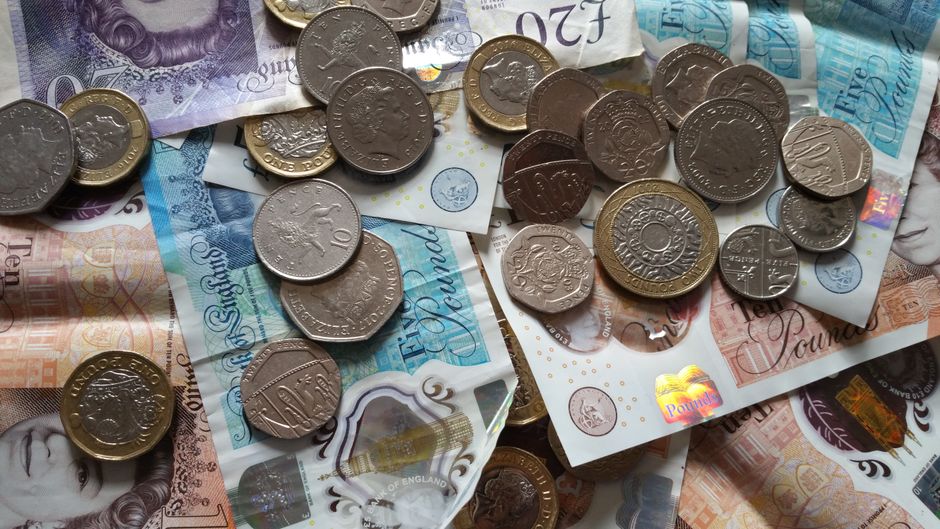
On 21 July 2026 the government announced it will remove VAT (value added tax) from domestic electricity bills, cutting the rate from 5% to 0% from 1 October 2026. If you charge an EV at home, it is a small, automatic cut to your running costs. It also widens a gap that already frustrates drivers: charging at home is taxed far more lightly than charging in public.
What exactly did the government announce?
In his first major policy announcement as Prime Minister, Andy Burnham set out a cut to VAT on household electricity. The key points, as confirmed by the government announcement:
- The rate falls from 5% to 0% on domestic electricity, from 1 October 2026.
- It covers both the unit rate and the daily standing charge - the two parts of every electricity bill.
- Electricity only. Gas keeps its 5% VAT rate; this change does not touch it.
- Worth about £45 a year to a typical household on the Ofgem price cap, according to the Treasury.
- It applies in England, Wales and Scotland. Northern Ireland, where post-Brexit EU VAT rules still apply, receives comparable funding instead.
- Cost and funding. The measure costs the Treasury around £850 million in 2026/27, funded by cancelling the £1.8 billion digital ID programme.
How much will EV drivers save on home charging?
Less than the headline might suggest, and that is worth understanding. Electricity prices are quoted including VAT, so removing a 5% rate lowers the price you pay by about 4.8% (a £1.00 unit becomes about 95p).
The catch for EV drivers is that overnight EV rates are already very cheap, so 4.8% of a small number is a small number. Take a typical EV covering 8,000 miles a year at 4 miles per kWh - about 2,000 kWh of charging. On Intelligent Octopus Go, for example, the overnight rate went from 8p to 7.6p/kWh on 1 October 2026 - about 0.4p/kWh, so the saving on the charging itself is only about £8 a year.
The bigger relief comes from the rest of the bill. The cut applies to all your home electricity - lighting, appliances, heating and the standing charge - not just the car. Because an EV household uses more electricity than average, its total saving is a little higher than the typical £45. Think of it as roughly £45 to £55 a year off the whole bill, of which only a few pounds is the car itself.
Does this help drivers who charge in public?
No, and that is the sharper story for EV drivers. Public charging is taxed at the standard 20% VAT rate, while home charging drops to 0%. The gap, a long-standing target of campaigners such as FairCharge, widens from 15 percentage points to 20.
The numbers are stark. On a typical rapid charge at around 80p/kWh, the VAT alone is about 13p per kWh - about 1.7 times the entire 7.6p unit rate a home charger pays overnight on Intelligent Octopus Go (October 2026). A driver with a driveway now pays no tax on their electricity; a driver in a flat who relies on public chargers pays 20% on every kilowatt-hour.
EV charging platform Zapmap put figures on it in 2025: a battery-EV driver with a home charger paid about £48 a year in VAT on charging, while a driver reliant on public charging paid about £194. After 1 October the home charger's £48 effectively falls to zero, while the public-charging bill is unchanged. The drivers least able to charge cheaply keep paying the most tax.
One wrinkle: the 20% public-charging rate is itself disputed. In early 2026 a tax tribunal ruled that public charging should attract the reduced rate, but HMRC is appealing, so 20% still applies for now.
What should EV drivers do about it?
For home charging, nothing. The change is applied automatically by your supplier from 1 October; there is no form to fill in and no need to switch tariff to get it. If a supplier or installer tells you to sign up for something to 'claim' the VAT cut, treat that as a red flag.
The far bigger lever on your charging costs is still the tariff itself. Moving from a flat-rate tariff to a smart overnight EV tariff typically saves £500 to £900 a year, an order of magnitude more than this VAT change. If you have not made that switch, start with our best EV tariffs guide and check the numbers for your mileage with the charging cost calculator.
If you rely on public charging, this announcement does not help you. The one thing worth watching is the outcome of the HMRC appeal on public-charging VAT, which would matter far more to you than the home-electricity cut.
What we do not know yet
One thing is now settled and one is still open. First, Ofgem has published the October to December 2026 cap: 26.32p/kWh with a 54.83p/day standing charge for electricity, both at 0% VAT (the July to September cap was 26.11p/kWh including 5% VAT).
Second, the public-charging VAT question is unresolved while HMRC's appeal runs. We will update this page when there is movement on the appeal.