Tethered vs Untethered EV Chargers: 2026 UK Guide
Pick the right home EV charger by deciding tethered or untethered first — cable length, future-proofing, and which UK chargers come in each format.
Most UK home EV charger buying guides argue endlessly about brands and apps before mentioning the choice that actually shapes daily use: tethered vs untethered. Tethered chargers ship with a fixed Type 2 cable; untethered chargers are a socket-only unit that you plug your own portable cable into. Both have legitimate use cases, but the right answer for your household depends on cable length, parking geometry, how many EVs share the unit, and whether you're future-proofing for a 22kW upgrade. This guide walks through each of those decisions and finishes with which UK chargers come in each format.
What's the Difference?
Both formats deliver the same electricity at the same speed (typically 7.4kW on single-phase, 22kW on three-phase). The difference is purely physical:
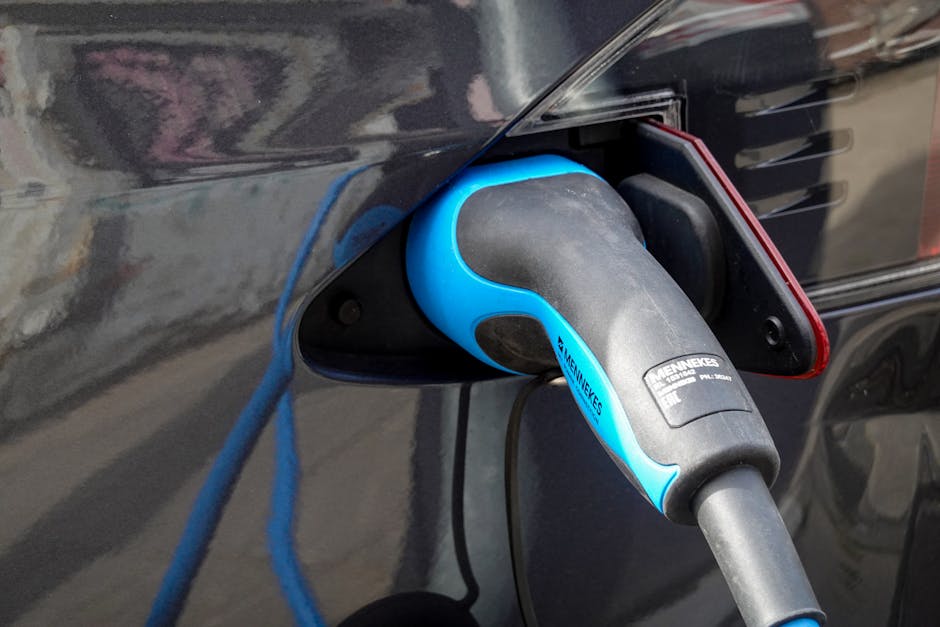
- Tethered: a wall-mounted unit with a permanently attached Type 2 cable, usually 5m, 7.5m, or 8m long. The cable lives on the wall — you walk over, unhook it, and plug into the car.
- Untethered: a wall-mounted unit with a Type 2 socket on the front. You provide the cable (every EV is supplied with one as standard), plug it into the wall unit at one end and the car at the other, and store it in the boot or on a hook between sessions.
That's genuinely the whole technical difference. Both pull power from the same circuit, both negotiate the same charging session over the same control pilot wires, both work with all the same UK smart tariffs. The decision is about ergonomics, not performance.
Cable Length Is the Most Common Mistake
If you go tethered, you're locked into the cable length you order. If the unit ships with a 5m cable, you cannot stretch to 6m on the day you reverse-park backwards. The wall-mount position determines where the cable starts; the EV's charge port determines where it ends. Map both before you order.
Real-world cable-length bands:
- 5m tethered: fine if the charger sits on the wall closest to your usual parking position and you always park facing the same direction. The Tesla Wall Connector ships at 7.3m by default for this reason — Tesla's own usage data found 5m insufficient for a meaningful percentage of installs.
- 7.5m tethered: the safest single choice for most UK driveways. Reaches the charge port from either parking direction, including parallel parking on the kerb side. Most premium-bracket chargers (Ohme Home Pro, Hypervolt Home 3 Pro, Zappi v2.1) default to a 7.5m option.
- 8m tethered or longer: needed for side-of-house garage installs, awkward L-shaped driveways, or houses where the consumer unit's location forces the wallbox onto a specific wall. Cables longer than 8m start to suffer voltage drop on 32A draws — installers prefer to upgrade the cable gauge rather than going to 10m.
- Untethered + 5m cable: lowest-fuss option — the cable supplied with the EV is whatever length the manufacturer chose, typically 5m. Easy to upgrade to 7.5m or 10m later by buying a third-party Type 2 cable for around £80–£150.
A common gotcha: tethered chargers store the cable on a hook, but cables are heavy. The Hypervolt Home 3 Pro 7.5m cable is in the 3–4 kg range; the Andersen A3's 7.5m cable is similar. Day-to-day this is unremarkable, though the heft becomes noticeable when stowing a wet cable in winter rain.
Which Wins on Single-EV Households
For most UK households with one EV that always parks in the same place, tethered is the better choice. The reasoning is mundane: you save 30 seconds per charging session because you don't have to retrieve and stow a cable. Multiplied across two charges per week for 5 years, that's 150 minutes saved — not life-changing, but tangible. The cable is also protected from being driven over inside the boot, which is the most common cause of cable damage on untethered setups.
The exception is if your charger has to mount in a position where the cable can't comfortably reach all your parking variants. In that case, untethered with a long portable cable solves the geometry problem.
Which Wins on Multi-EV (or Future-Multi-EV) Households
Untethered wins when there's any chance you'll have more than one EV plugging into the same charger. The reasoning is practical: every EV ships with its own cable, and the cars themselves often have different optimal cable storage positions (Tesla under the boot floor, Hyundai in the boot well, BMW in a frunk on some models). Forcing one tethered cable to serve two cars means one driver always has to wait or share, and the cable gets walked over twice as often.
This also applies if you're planning ahead. Buying a Tesla Model Y today and looking at a partner's Hyundai Ioniq 5 in two years? Untethered now saves you replacing the wallbox later, or buying an extension that compromises charging speed.
Future-Proofing for 22kW
This is the single biggest argument for going untethered. A 22kW home charger requires a three-phase electrical supply, which only a small fraction of UK homes have today — but the number is growing as DNOs upgrade and as buyers explicitly request three-phase upgrades during installs.
If you upgrade from a 7kW single-phase setup to a 22kW three-phase setup, the wall unit needs to change. With tethered, you're throwing away the cable along with the unit. With untethered, you can reuse the wall unit for longer (provided the model supports both supply modes) and only need to swap the portable cable from a 32A 1-phase to a 32A 3-phase Type 2. That's a £150 cable purchase rather than a £900 charger replacement.
The Wallbox Pulsar Plus is the standout example here — the same unit is sold in 7.4kW and 22kW variants, untethered. Andersen's A2 (older) was tethered only for the same reason most cabinets are: aesthetics. The newer A3 lineup includes both options.
Which UK Chargers Come in Each Format
| Feature | Best Value Ohme Home Pro ★★★★☆ 4.2 | Best Overall Hypervolt Home 3 Pro ★★★★☆ 4.4 | myenergi Zappi v2.1 ★★★★☆ 4.3 | Easee One ★★★★☆ 4.2 | Andersen A3 ★★★★☆ 4.2 | Pod Point Solo 3S ★★★★☆ 4 |
|---|---|---|---|---|---|---|
| Price | — | — | — | — | — | — |
| Rating | 4.2/5 | 4.4/5 | 4.3/5 | 4.2/5 | 4.2/5 | 4/5 |
| Default format | Tethered | Tethered | Tethered | Untethered (socket-only by design) | Tethered (with retracting compartment) | Tethered |
| Untethered option | Yes — Ohme ePod is the untethered sibling | ✓ | ✓ | Standard | ✓ | ✓ |
| Cable length options | 5m / 7.5m | 5m / 7.5m / 10m on tethered | 6.5m only on tethered | Customer-supplied portable cable | 5m / 7.5m on tethered | 5m only on tethered |
| Notes | Most installs are tethered Home Pro. ePod for socket-only buyers. | 10m cable available for awkward layouts; LED ring works on both formats. | Solar diversion logic identical on both formats. | No tethered option from Easee — the design philosophy is socket-only. | Cable hides inside the cabinet on the tethered model — main draw. | Pod Point currently only sells the tethered Solo 3S with a 5m cable. Buyers needing 7.5m+ reach must go untethered + third-party cable. |
When to Pick Each Format
Pick tethered if…
You have one EV, you always park in the same position, the cable can comfortably reach the charge port from either parking direction, you don't anticipate adding a second EV, and you value the everyday convenience of grabbing a wall-mounted cable.
Pick untethered if…
You have or might have multiple EVs, your parking geometry varies (drive-in vs reverse-in, different cars in different bays), you're considering a 22kW three-phase upgrade in the next 5 years, you want the wall unit to look clean when not in use, or you might move house and want to take the unit with you.
Cost Differences
Tethered units are usually £20–£50 cheaper than the untethered version of the same model — the manufacturer is amortising one cable across many units, but the labour cost of moulding the cable on at the factory is real. Pod Point's Solo 3 is roughly £799 tethered vs £849 untethered. Hypervolt's Home 3 Pro untethered runs at the same MSRP as 5m tethered but adds the cost of a portable cable (£80–£150) for buyers who don't already own one.
Net of the cable, the lifetime cost is similar. The genuine cost differentiator is the upgrade path: untethered owners who later switch to 22kW pay for a new cable; tethered owners pay for a new wall unit. Over 8–10 years of charger ownership, untethered comes out marginally ahead.
Frequently Asked Questions
Does tethered or untethered charge faster?
Can I add a tethered cable to an untethered charger later?
What length of portable cable should I buy for an untethered charger?
Which chargers should I pick if my driveway is awkward?
Is untethered safer because the cable isn't always exposed?
Will my tariff work the same on both formats?
Bottom Line
The right answer for most UK single-EV households is a 7.5m tethered charger from a brand whose tariff support matches your supplier — Ohme Home Pro for Octopus customers, Hypervolt Home 3 Pro if you want solar PV diversion later, [Pod Point Solo 3](/review/pod-point-solo-3s-review/) if you want the strongest UK service network. For everyone else — multi-EV households, 22kW upgrade plans, awkward parking geometry — go untethered and budget £100 for a quality 7.5m portable cable.
If you're still narrowing down chargers, our best home EV charger comparison ranks every option on tariff support, cable choices, and price. Pair it with our best EV tariffs guide to make the charger and tariff decision together.
Compare the top UK home EV chargers
See every model side-by-side with cable options, tariff support, and current UK pricing.