Intelligent Octopus Go Review 2026: 6-Hour Cap Explained
Intelligent Octopus Go remains the strongest mainstream EV tariff in the UK in 2026 - the off-peak rate is among the lowest available, the cheap window applies whole-home, and the new 6-hour cap is a non-issue for the ~80% of drivers whose nightly charging already finishes inside it. Mark down half a star for the billing-accuracy reports that crop up periodically and the loss of the unlimited-overnight benefit. Score 4.5/5.
Strengths
- 8p/kWh off-peak (as of July 2026) with smart-scheduled bonus slots through the day - one of the lowest scheduled unit rates of any mainstream UK EV tariff
- Cheap rate applies to your whole home for the 6-hour window, not just the EV charger
- Wide compatibility: Ohme, Andersen, Wallbox, Hypervolt, Zappi and Octopus Charge are all supported
Watch outs
- From March 2026, only the first 6 hours of nightly charging get the off-peak rate - anything beyond falls back to the daytime Boost rate
- Eligibility is narrower than standard Octopus Go: you need both a smart meter and a smart-charging-capable home charger
- Daytime/peak rate of around 32p/kWh is unremarkable - savings depend on shifting most household usage to overnight
We may earn a commission if you buy through this link - it never changes the price you pay or our editorial verdict.
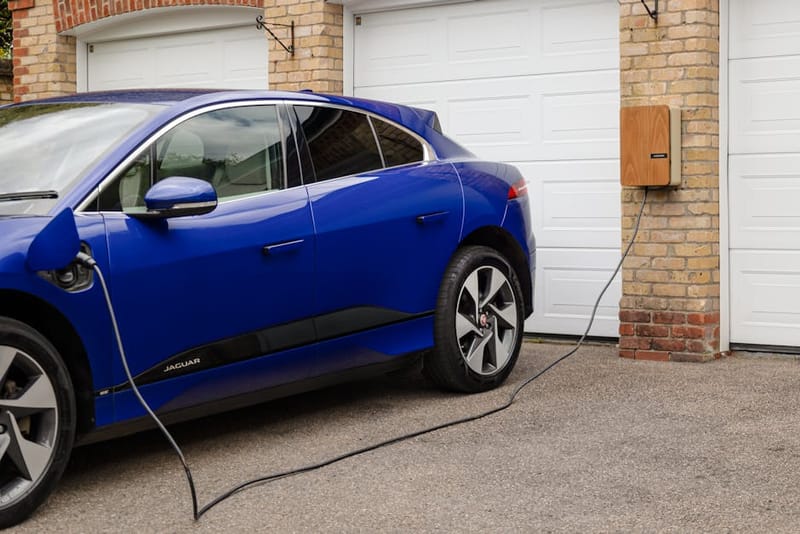
Intelligent Octopus Go is the UK's most popular dedicated EV tariff for a reason: a six-hour overnight window at 8p/kWh (Octopus's published rate as of July 2026), applied whole-home rather than just at the charger, against a typical day rate near 32p. That ~4× spread is among the widest of any mainstream UK EV tariff. But the tariff is not the same product it was twelve months ago - from March 2026 a hard 6-hour cap applies to nightly charging, with anything extra billed at the higher Boost rate, and a new Charge Cap toggle in the Octopus app gives drivers a choice between strict-cap mode and target-charge mode. This review covers what's changed, who's still better off on Intelligent Octopus Go in 2026, and where the alternative tariffs now make more sense.
How Intelligent Octopus Go works
Intelligent Octopus Go is the smart-scheduled successor to standard Octopus Go. Instead of a fixed off-peak window that you have to remember to plug into, the tariff hands control of when your EV draws power to Octopus's scheduler. You set a target charge time and a desired state of charge in the Octopus app; the algorithm then chooses the cheapest half-hour slots between 23:30 and 05:30 each night, and those slots get billed at the off-peak rate.
Crucially, the cheap rate during those scheduled slots applies to your whole home - not just the electricity going to the EV. Run a tumble dryer, charge a phone, run the heating overnight: anything inside the cheap window comes off the off-peak meter. That's the single biggest reason Intelligent Octopus Go often beats time-of-use add-on competitors that only discount the EV circuit.
Outside the cheap window, you're on the daytime/peak rate, which sits around 32p/kWh. Octopus's scheduler will sometimes also surface bonus cheap slots during the day when grid supply is high - those flow through to your bill at the off-peak rate too, but you can't rely on them.
What the March 2026 changes actually mean
Two related changes went live in March 2026: a hard 6-hour cap on the off-peak rate per 24-hour period, and a new Charge Cap toggle in the Octopus app.
Before the change, the off-peak rate effectively applied for as long as the scheduler chose to charge. In practice scheduled sessions almost always fit inside the 23:30–05:30 window, but in some configurations - large battery packs, low charger speeds, multiple EVs on one schedule - sessions could spill into the early morning or be padded to fill the full window. The new cap formalises the limit: only the first six hours of nightly charging are at the off-peak rate, and any further half-hours are billed at the higher Boost rate.
Charge Cap is the user-facing control over this trade-off. Toggle it on, and the scheduler will stop after six hours regardless of whether your target SoC has been reached - protecting you from accidental peak-rate charging. Toggle it off, and the scheduler continues until your target charge level is hit, accepting that the extra half-hours will land at the Boost rate.
Octopus's own messaging around the change leans on a single statistic: roughly 80% of nightly sessions already use less than six hours, so the cap doesn't change anything for the typical user. That figure is consistent with the average UK driver's overnight charging needs (40–60 kWh added per night at 7kW, which finishes inside six hours). The drivers who are affected fall into one or more of three groups: very high-mileage households (e.g. taxi or fleet operators), households with multiple EVs sharing one home charger, and households running 22kW three-phase chargers where the cap isn't the binding constraint.
Eligibility and supported chargers
Intelligent Octopus Go has narrower eligibility than standard Octopus Go. You need three things in place:
- A compatible smart meter: SMETS2 universally, or one of the Secure-manufactured SMETS1 units that Octopus has retro-certified.
- An EV registered to the same household.
- A smart EV home charger that supports Octopus's intelligent scheduling - either via direct API integration or via OCPP with a vehicle that integrates with Octopus directly.
The chargers with the deepest integration as of May 2026 are Ohme's lineup (Home Pro and ePod), which talk directly to Octopus's scheduler over Ohme's API. Octopus's own Octopus Charge units have first-party support. Andersen EV chargers were added to the supported list in early 2026, and Wallbox, Hypervolt and Zappi are all compatible via OCPP/API integration. If you don't have one of these chargers, Intelligent Octopus Go won't be available to you - you'd fall back to standard Octopus Go, where you handle the schedule yourself with the charger's own timer.
If you're shopping for a smart charger, the Ohme Home Pro and Hypervolt Home 3 Pro are the two strongest picks for households that want Intelligent Octopus Go to do the scheduling for them. See our best home EV charger guide for 2026 for the broader comparison.
Intelligent Octopus Go vs the alternatives in 2026
The competitive picture changed substantially in late 2025 and early 2026. OVO's Charge Anytime PAYG rate doubled from 7p/kWh to 14p/kWh from November 2025 - a move that pushed it from the cheapest direct competitor to a clearly second-best position for typical mileage. OVO's monthly add-on plans (£27.50 standard, £37.50 premium) can still beat Intelligent Octopus Go for very high mileage drivers because they fold in public charging credit, but they require committing to a monthly subscription regardless of usage.
EDF's GoElectric tariff trimmed its rate to 6.99p/kWh from April 2026, slightly undercutting Intelligent Octopus Go on the headline rate, with the longest off-peak window on the market (seven hours, 23:00–06:00). The catch: EDF's rate doesn't apply whole-home in quite the same way, and EDF's customer-service ratings sit well below Octopus's. For households where overnight household usage (heating, hot water, dishwasher) is significant, Intelligent Octopus Go's whole-home application of the cheap rate often wins back the rate-card gap.
If you want the broader picture across all major suppliers, our best EV tariffs UK 2026 ranking covers eight tariffs head-to-head with the current rate cards.
Where Intelligent Octopus Go falls short
Three issues recur often enough to be worth flagging.
Billing-accuracy edge cases. A recurring concern from new IOG joiners is overnight charging sessions being billed at the daytime peak rate rather than the off-peak rate, usually traceable to the scheduler not having paired with the charger correctly. The fix is normally a customer-services contact and a manual rebill, but the friction is real and tends to hit during the first month of being on the tariff.
And the Boost rate isn't published as a separate clean number. When charging goes beyond the 6-hour cap, the extra half-hours are billed at the higher Boost rate, which equates roughly to the daytime peak rate (~32p/kWh). For households making decisions on whether to enable Charge Cap, this is the figure that matters; Octopus's own page references it but doesn't give it the prominence it deserves.
Confusion around the new mechanics. Community discussion in the months following the December 2025 announcement of the changes shows persistent uncertainty about exactly when the cap counts, what happens with split sessions across midnight, and how Charge Cap interacts with target-time scheduling. Octopus's documentation is improving but lags the rate of change.
Who should switch to Intelligent Octopus Go
Switch if: you have an EV plus a smart charger from the supported list, your typical nightly charging finishes inside six hours (60 kWh or less per night at 7kW), and your household has meaningful overnight usage you can shift into the cheap window - heat pump on a schedule, washing machine, dishwasher.
Stay where you are if: you're on a fixed-rate variant of Octopus Go that's locked in below current variable rates (some pre-2025 fixes are still at 3–5p off-peak), or you regularly need more than six hours of overnight charging.
Look elsewhere if: your charger isn't on the supported list (consider standard Octopus Go or EDF GoElectric), you do most of your charging on the public network (OVO's monthly add-on plans bundle public charging credit), or you're a high-mileage household where EDF's seven-hour window beats the six-hour cap.
Frequently asked questions
Q01What is the Intelligent Octopus Go rate as of July 2026?
Q02Does Intelligent Octopus Go have an exit fee?
Q03What happens if I need to charge for more than 6 hours overnight?
Q04Do I need an Octopus smart charger to use Intelligent Octopus Go?
Q05Does the cheap rate apply to the whole house or just the EV?
Q06Is Intelligent Octopus Go better than the standard Octopus Go?
Check your eligibility for Intelligent Octopus Go
Octopus's eligibility checker confirms whether your smart meter, EV and home charger combination is supported. Rate is confirmed in your account once switching completes.