Affiliate disclosure
We may earn a commission when you buy through links on our site, at no extra cost to you. Our editorial opinions are our own and are not influenced by compensation.
Comparison · 2 picks
Ohme ePod vs Myenergi Zappi v2: UK Smart-Tariff Charger Comparison (2026)
Two UK-strong premium chargers, both at the £700-£900 installed bracket, both with passionate fan bases. The choice between them comes down to one question: are you optimising for cheap-overnight smart-tariff charging, or for soaking up solar surplus? Both can do both, but each does one materially better than the other.
This is a 2-way head-to-head. For context on the broader UK charger market see our Zappi v2 review. For the design-led tier above, see Andersen A2 vs Easee One.
At a glance
All 2 options side by side.
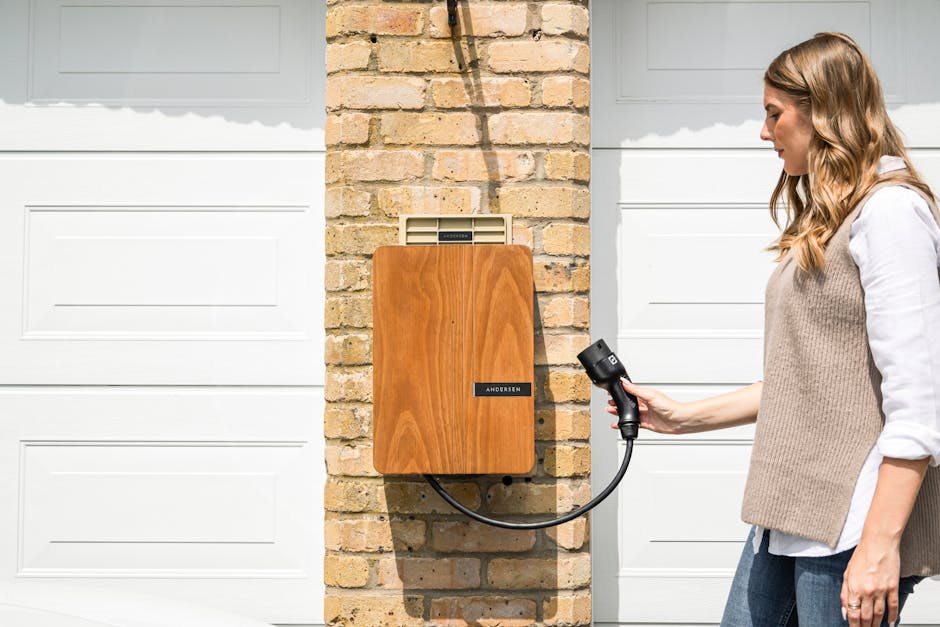 Ohme ePod Ohme ePod |  Myenergi Zappi v2 Myenergi Zappi v2 | |
|---|---|---|
| Price | £700 | £900 |
| Best for | The right pick if your priority is cheap-overnight smart-tariff charging. | The right pick if your home has solar PV. |
| Check price | Check price |
The picks in detail
Ohme Ohme ePod
Bottom line. The right pick if your priority is cheap-overnight smart-tariff charging. Ohme covers all 3 major UK TOU tariffs natively and the app is the cleanest in the category for tariff scheduling.
Pros
- Native support for ALL major UK smart tariffs (Octopus, EDF, OVO + Intelligent Octopus Flux)
- Smallest UK Ohme yet (~30% smaller than Home Pro)
- Excellent app UX for tariff scheduling
- UK-designed engineering
Cons
- Socket only (no tethered)
- Solar PV requires optional accessory
- No V2G
myenergi Myenergi Zappi v2
Bottom line. The right pick if your home has solar PV. Zappi's Eco+ mode is the best solar-only charging implementation on the UK market and the eco-system around it is genuinely useful.
Pros
- Eco+ solar-only mode is the strongest in the category (multi-day all-solar charging on a 6.6 kW PV array)
- Integrates with Myenergi's broader ecosystem (Eddi diverter, Libbi battery)
- Tethered cable option (5m or 7.5m)
- Mature firmware - 8+ years of UK deployment
Cons
- Larger physical footprint than Ohme or Easee
- App less polished than Ohme's for pure tariff scheduling
- Higher price for solar-less households
Which is better for smart-tariff scheduling?
Ohme, comfortably. The ePod natively integrates with Octopus Intelligent Go, EDF GoElectric, OVO Charge Anytime, AND Intelligent Octopus Flux - the only UK charger covering all four out of the box. The native integration is genuinely better than manual scheduling because the charger talks to the tariff in real time, taking advantage of dynamic price windows that move within the standard cheap-rate band.
Zappi's smart-tariff support is good but not class-leading - Octopus Intelligent Go, EDF GoElectric, OVO Charge Anytime work fine. The gap is most visible on Intelligent Octopus Flux (the export-aware tariff) where Ohme has tighter integration and Zappi requires more manual setup.
Which is better for solar PV?
Zappi, by a clear margin. The Zappi v2 ships with a built-in CT clamp for the home's incoming supply and its Eco+ mode is the most polished solar-only charging implementation on the UK market. Owners with a 6.6-7 kW PV array regularly report multi-day all-solar charging across summer. Eco mode (solar-prioritised, falls back to grid) is the practical default; full Fast mode is for when you genuinely need a quick top-up.
Ohme can do solar charging but only with the optional Charge Anywhere accessory and the integration is less mature. For solar-first households, Zappi is the right call - the £200 price premium is justified by the better solar throughput across the year.
What about the broader Myenergi ecosystem?
Zappi only really shines as part of the Myenergi ecosystem. The Eddi (excess-electricity diverter to immersion heater) and Libbi (home battery) integrate tightly with Zappi via the myenergi hub. If you have or plan to have any of these, the ecosystem benefit is real and significant - the charger, diverter, and battery talk to each other and optimise self-consumption across the house.
Ohme has nothing comparable. It is a charger, not an ecosystem player. For households where the EV charger is the only electrification project, this does not matter. For households building toward a whole-house energy management setup, Zappi is the more strategic choice.
How does the install and cable choice differ?
Zappi offers both tethered (5m or 7.5m) and socket variants. Ohme ePod is socket-only - if you want a tethered cable you need to look at the older Ohme Home Pro or a different brand. For households with a single EV and a covered driveway, tethered is more convenient (cable always there). For multi-vehicle or future-flex households, socket is more flexible.
Both are wall-mounted, both need an OZEV-approved installer for grant eligibility. Zappi's larger physical footprint (roughly 50% bigger than the ePod) is noticeable in tight install spots like under-stairs garage walls or narrow cottage entries.
Which app is more reliable in daily use?
Both apps are good. The Ohme app is the cleanest for pure tariff scheduling - you set your tariff once and the charger handles the optimisation. The myenergi app is more complex because it manages the whole ecosystem (Zappi + Eddi + Libbi) - if you only have Zappi, that complexity is overkill; if you have the full ecosystem, the unified view is essential.
Reliability is similar - both have mature firmware, both push regular OTA updates, both handle the common UK home network setups (typically 2.4 GHz WiFi with intermittent outages) gracefully. The Ohme app's tighter focus shows up as fewer settings menus, which most owners appreciate.